
The Remarkable Story of Al and Rose Finci
This is the remarkable story of Al and Rose Finci. It starts in prewar Sarajevo, where Al and Rose first met as children. With the outbreak of World War II, their lives soon diverged as their families fled from Nazi labor camps, internment in the Adriatic and northern Italy, fighting with the partisans in the forests of Croatia, and across the Alps into Switzerland. Yet despite the war’s many devastations and disruptions, their paths would continue to cross in different countries and decades through a series of serendipities.
This story of Al and Rose weaves through the broader historical context, providing points of entry into Sephardic history, World War II, and postwar waves of migration and resettlement. But tracing their lives also creates a countercurrent that enables us to personalize history. It shows us how the larger political, social, and economic developments of history played out in the uncommonly studied lives of children and families.
Through photographs, interviews, and maps, this exhibit explores how people experienced the uncertainty of shifting identities and borders that arose with new nation-states, the terror of World War Il, and the challenges and excitement of international migration and starting life anew.
Throughout these upheavals of the twentieth century, the lives of Al and Rose became closely intertwined.
Their unlikely story begins in the 1930s in the flourishing Jewish community of prewar Sarajevo.
After World War I, the Kingdom of Yugoslavia emerged from the ruins of the Hapsburg and Ottoman empires. The small but cosmopolitan city of Sarajevo was located at the center of the new kingdom. Referred to as the “Jerusalem of the Balkans,” it lay at the crossroads of Greek Orthodox, Islamic, and Jewish cultures. This multicultural diversity was also found within the Jewish community of Sarajevo, which brought together Sephardic and Ashkenazi Jews from the former Ottoman and Hapsburg lands. Although Jews in Sarajevo maintained a distinct sense of Jewish identity, they were culturally and socially integrated into the surrounding society.
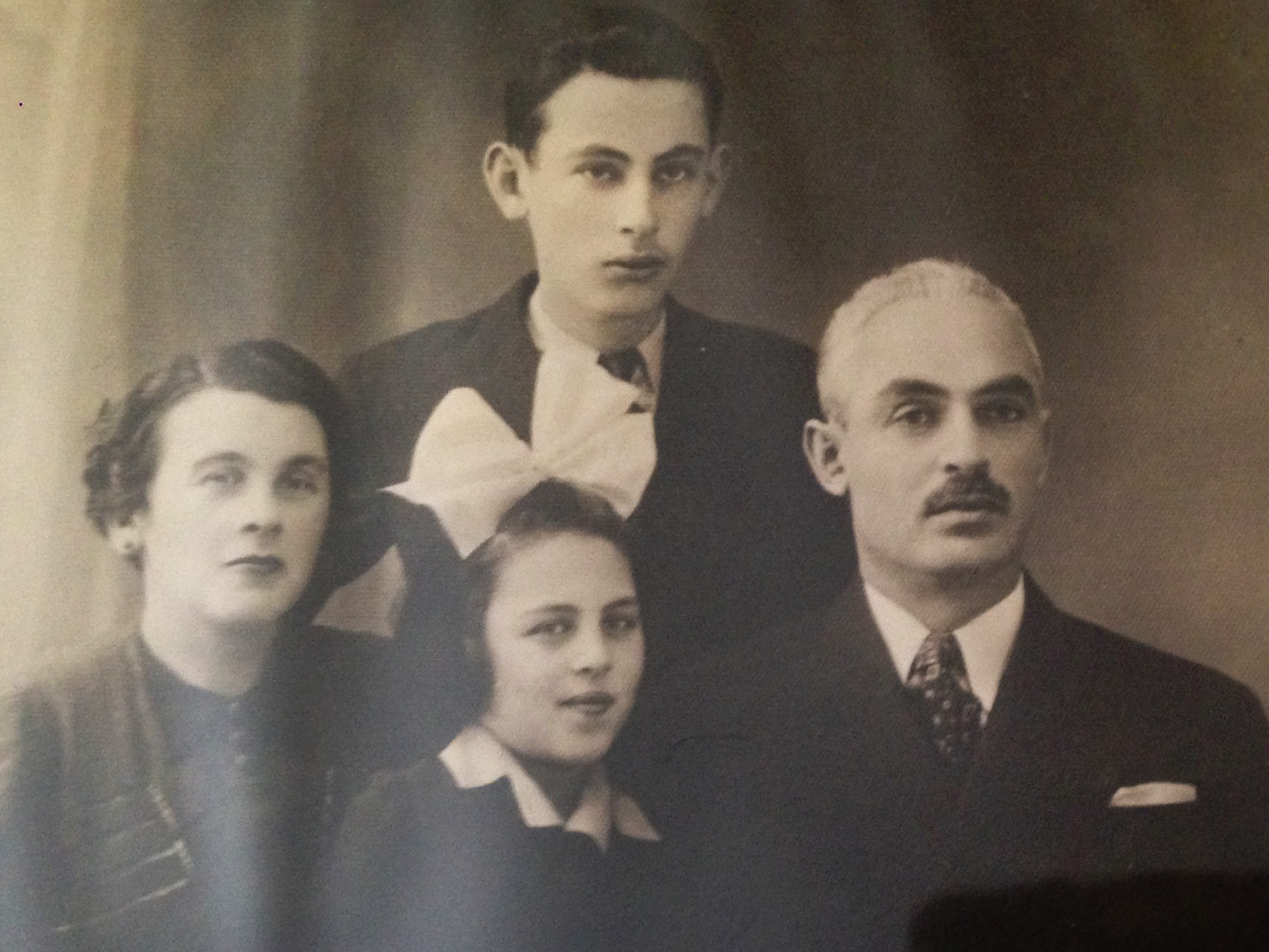
Families often spent Sundays strolling the streets of Sarajevo dressed in their finest, and photographers snapped pictures to sell. Pictured: the Stock family with Rose; her brother, Joseph; her mother, Olga; and her father, Zygmunt. 1935 in Drohobych.
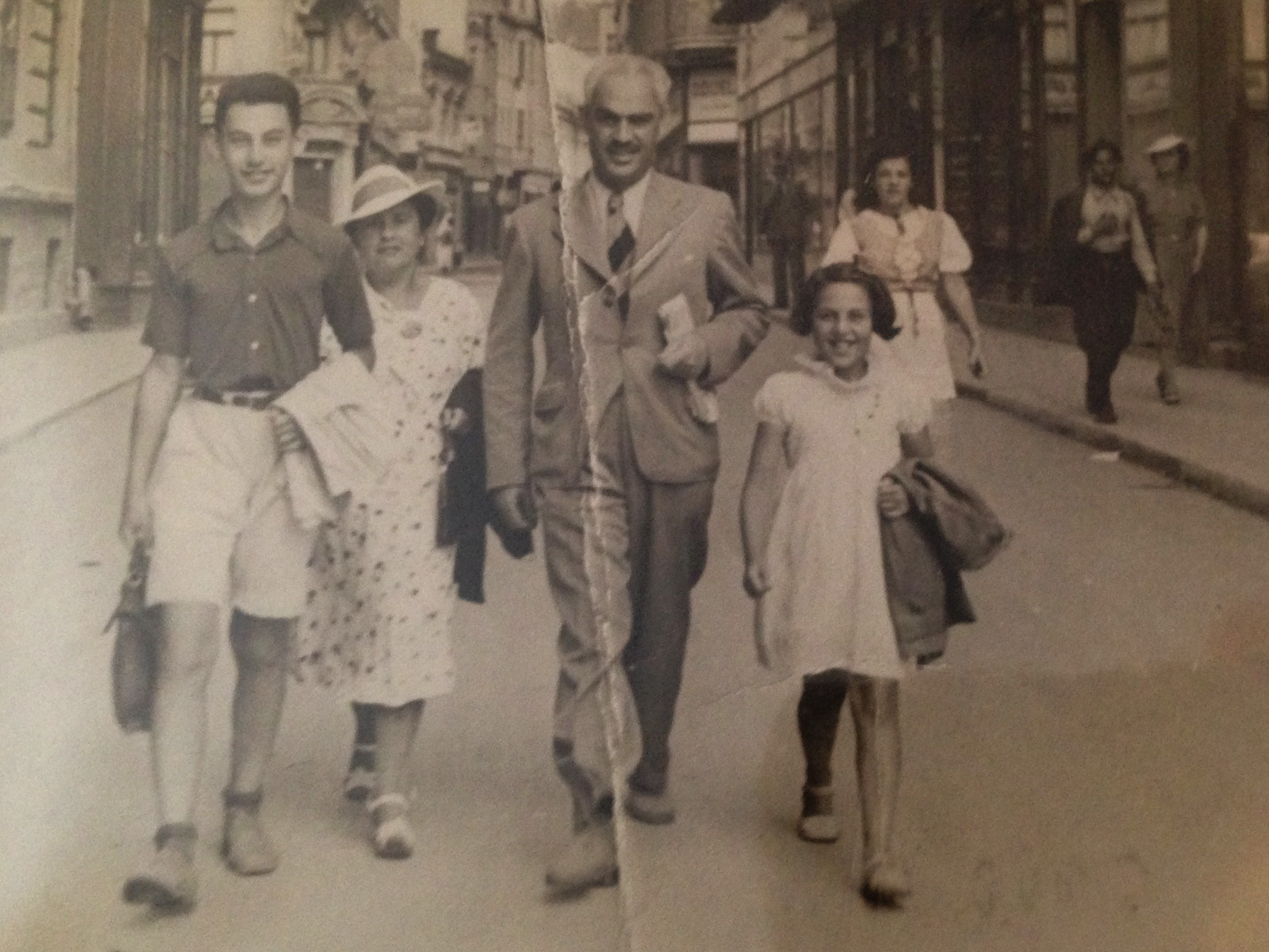
Pictured: the Stock family with Rose; her brother, Joseph; her mother, Olga; and her father, Zygmunt.1936 in Sarajevo.
Rose Finci (née Stock) moved with her family to Sarajevo when she was eight years old. Born June 1, 1929 in Drohobych, Poland, now located in the Ukraine, Rose and her family traveled to Saraievo for her father’s work mining Barite for her uncle’s paint factory. She enjoyed life in the cosmopolitan milieu of Sarajevo. Her family attended synagogue and she went to a parochial Catholic school that brought in a cantor to teach Religious Education to the Jewish students in her class. Rose went to a local bookstore to buy her school books, and it was there that she first met Al Finci.
Al Finci was born May 21, 1929 in Sarajevo. Descended from a long line of Sephardic rabbis, Al’s family was religiously observant. Every week, they celebrated the Sabbath at his grandmother’s house, and Al regularly attended synagogue.
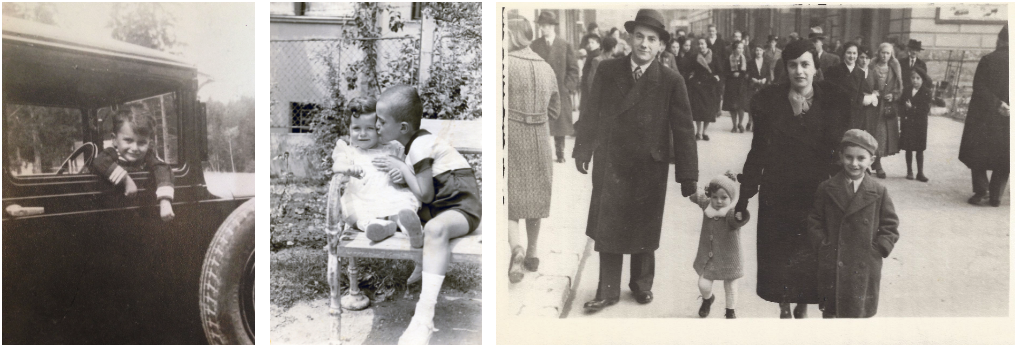
Al as a child in Sarajevo. Middle: Al and his sister, Erna. Right: A street photographer captures the Finci family walking together: Al’s father, Joseph Finci; Erna; his mother, Lenka Musafia Finci; and Al.
Although he was religiously observant, Al’s daily life reflected the diverse populations of the city. In school, he had both Muslim and Christian teachers, and his closest childhood friend had a Muslim father and a Catholic mother.
Al’s father and uncle owned a famous bookstore and publishing house together in Sarajevo. They sold a wide range of stationery and books in many languages to school children, university students, and soldiers. As a child, Al spent many afternoons browsing the books at the bookstore, where he first met Rose. It would be years until they saw each other again after the war.
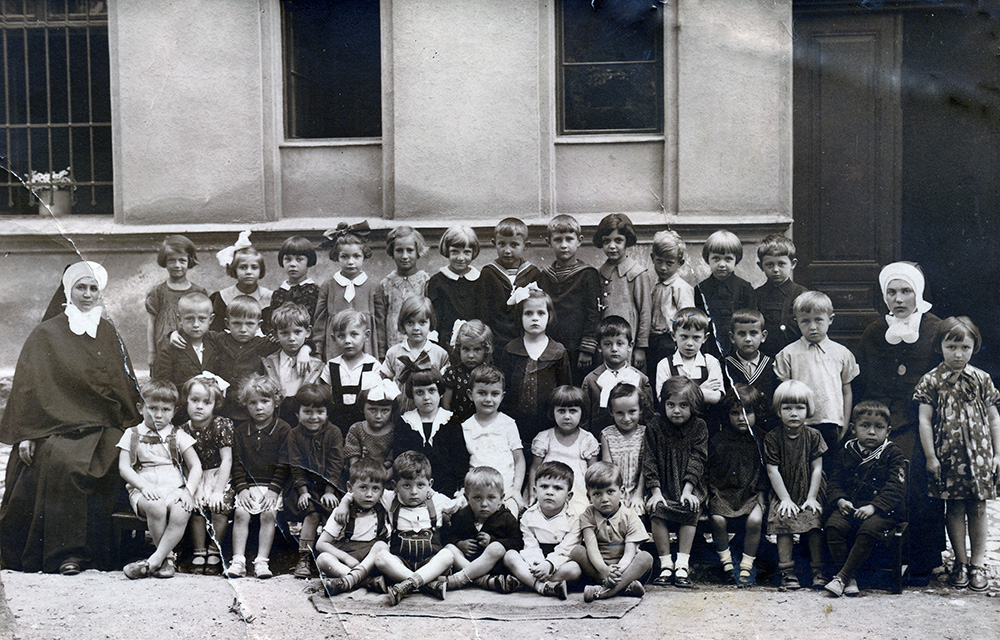
Pictured: Al’s elementary school photograph from Sveti (St.) Augustin. Al sits in the middle of the second row.
Sarajevo was one of the most important centers of Sephardic life in the Balkans. Under the Ottoman Empire, the community in Sarajevo steadily grew from fifteen Sephardic families who arrived in 1565 into what scholars have called “the Sephardi town par excellence.” Although the first Jewish arrivals spoke Judeo-Spanish and had different religious and cultural practices, they quickly integrated into Sarajevo’s social fabric.
Under the Ottomans, the Jewish community was subject to special taxes, and in exchange, it enjoyed broad communal autonomy and religious and judicial independence, the common arrangement for Jewish and Christian minority communities across the Muslim world. By the nineteenth century, the Jewish community had expanded to include many Jewish quarters throughout the city, all located within predominantly Muslim areas. Jews largely maintained good relations with their Muslim neighbors, and their intercommunal mixing in daily life can be seen in music, clothing, and cuisine.
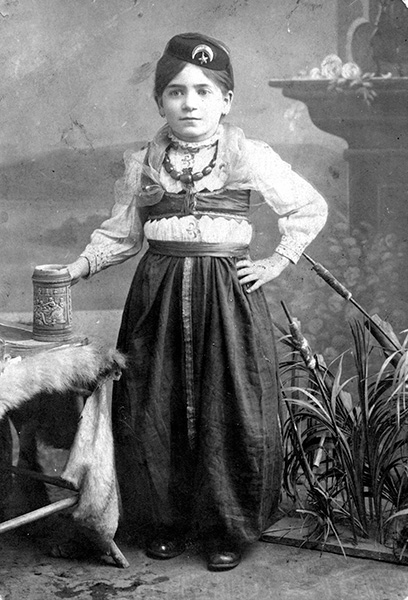
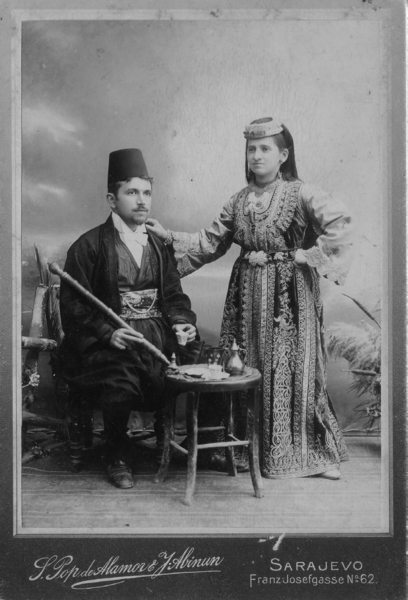
Studio portraits of Sephardic Jews in Sarajevo wearing traditional Ottoman clothing. Left: photograph of Al’s cousin, Lotti Samakovlia, taken February 15, 1913. Right: photograph of an unknown couple taken in a Sarajevo studio.
The Austro-Hungarian occupation of Sarajevo in 1878 and its annexation in 1908 accelerated the trends of demographic growth and modernization. Between 1885 and 1910, the Sephardic population in Sarajevo nearly doubled to 4,985, and it would double again to around 8,500 over the next thirty years. Given Sarajevo’s location along multiple trade routes, many Sephardic Jews in Sarajevo worked in trade. Jews were responsible for a third of the economic activities of the city, and over half of the merchants working in the trade of textiles were Jewish.
Under the Austro-Hungarians, Jews in Sarajevo increasingly oriented themselves towards Europe. This period saw an influx of well-educated, professional Ashkenazi immigrants who maintained connections to central and western Europe. Jews entered into new professional sectors, and Jewish children increasingly attended non-Jewish schools. However, the wealth accumulated by Jewish families in Sarajevo remained concentrated within select families, and the vast majority of Jews in Sarajevo were impoverished. La Benevolencija, a Sephardic mutual aid society, was established in 1894 to help alleviate poverty. As a child, Al took regular trips to La Benevolencija to give packages to poor children and their families.
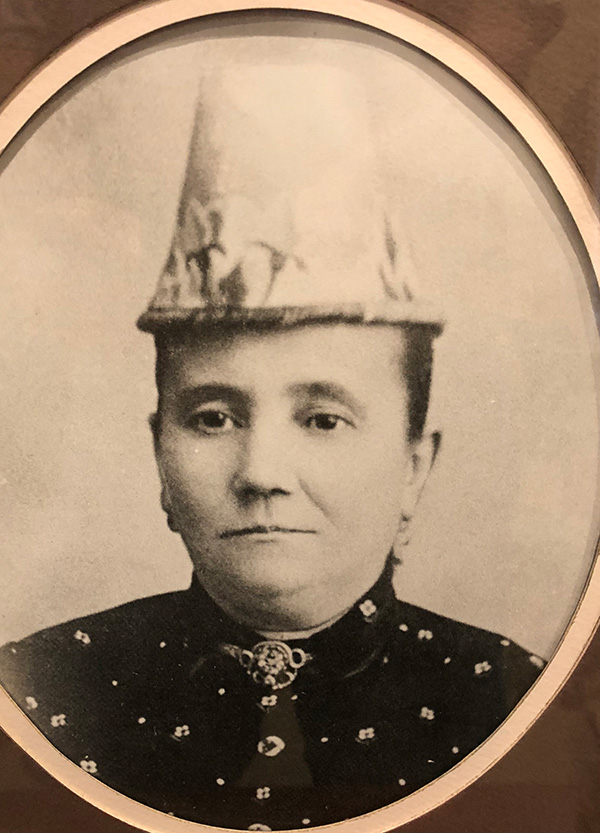
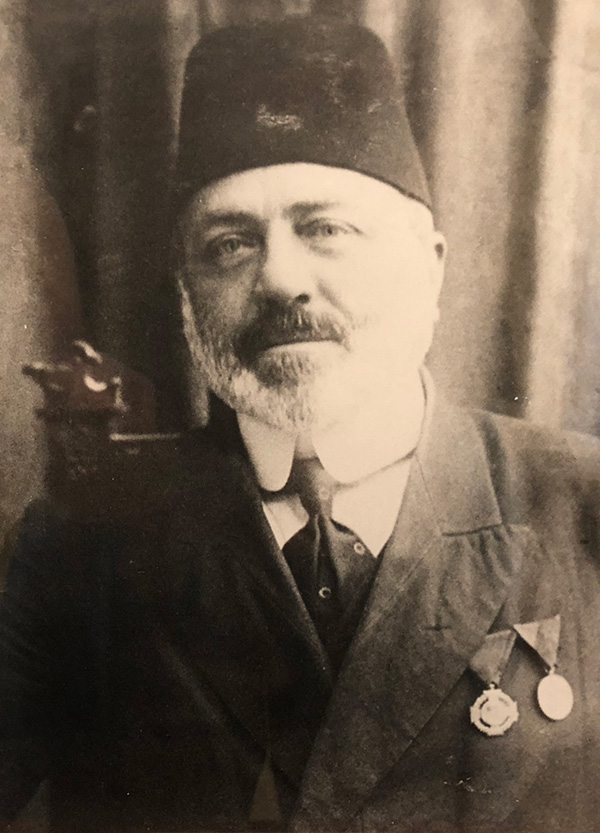
Al’s paternal grandparents, both wearing traditional headdress from the Ottoman period together with more modern dress. Left: Al’s grandmother, Esther Baruh Finci (left) wearing a dukadu. Right: Al’s grandfather, Hakham (the Sephardic term used to designate a rabbi) Asher Finci, wearing a fez. Photographs taken in the early 1900s.
After World War I and the founding of Yugoslavia, the processes of modernization and linguistic acculturation gained momentum under the pressure of nationalism. Judeo-Spanish, which was commonly spoken across the Sephardic world for centuries, predominated until the early twentieth century, when it was slowly replaced with national languages. In 1931, slightly more Sephardic Jews in Sarajevo spoke Judeo-Spanish than Serbo-Croatian, yet the latter was largely the language of Sephardic public life and most Jewish organizations. A sign of this transition, Al grew up speaking Serbo-Croatian as well as Judeo-Spanish, which was the only language he could use to communicate with his grandmother, Rifka Montiglio Musafia.
Jews in Sarajevo participated in a wide range of cultural, charitable, and political organizations. There was an active Jewish press with a number of weeklies, including the literary weekly La Alborada, which ran from 1898-1902. The choir, Lyra-Sociedad de Cantar de los Judios-Españoles, was founded in 1901. In addition to La Benevolencija, the organizations Melacha and Geula assisted with artisans and economic activities. A number of political currents also ran through the city. Zionist youth organizations sprang up, such as Bnei Zion and ha-Shomer ha-Zair, although Zionism never became a mass movement in Sarajevo. Others were active in communism and organized workers through the Jewish worker’s union, La Matatja. Some joined the “Sephardist” movement, which proudly asserted its Sephardi character in response to the increasing westernization of Sarajevo’s Jewish community.
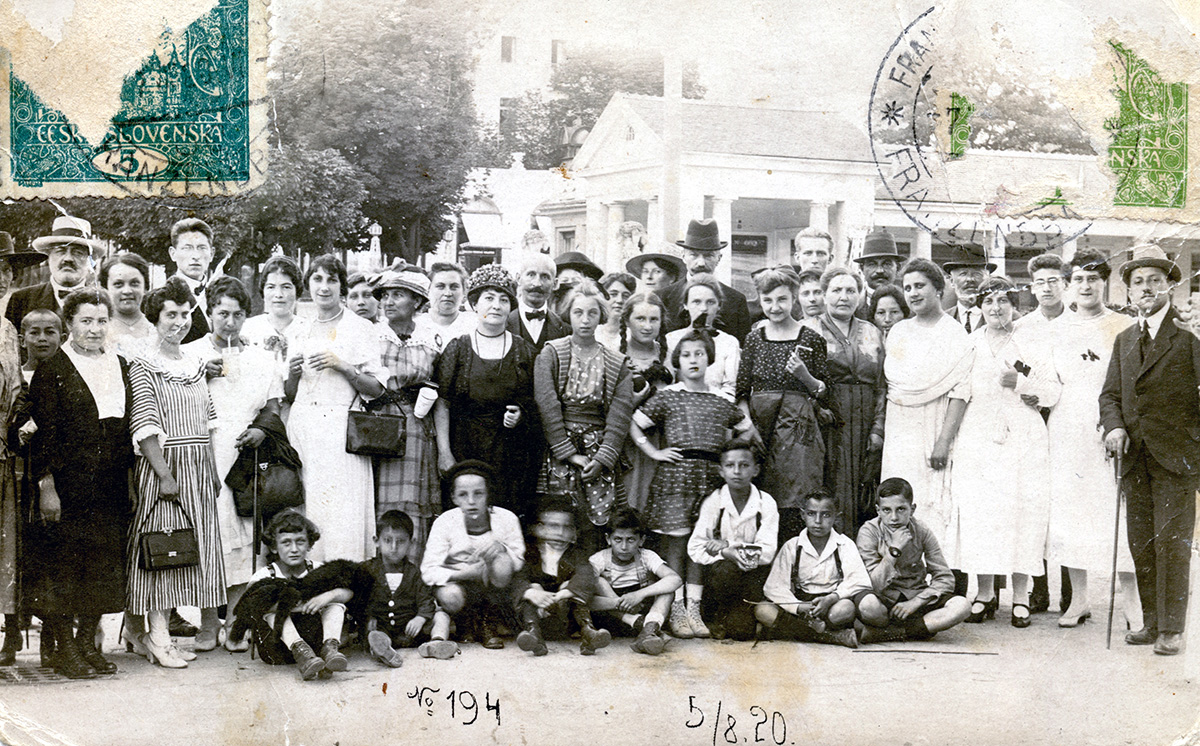
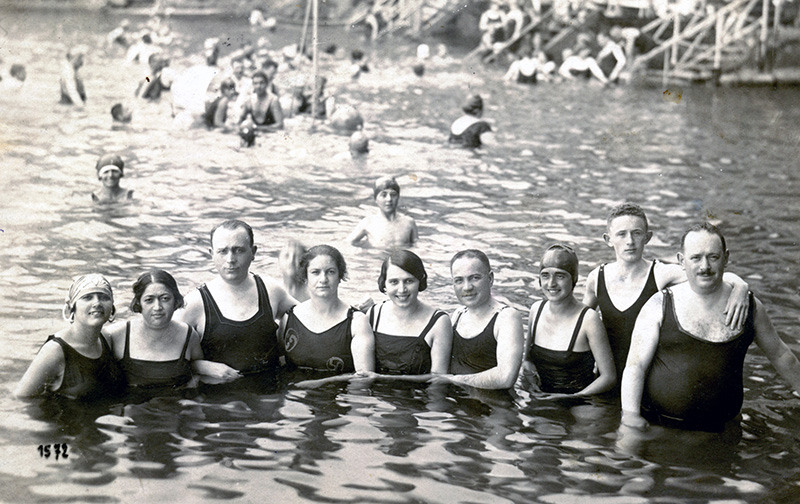
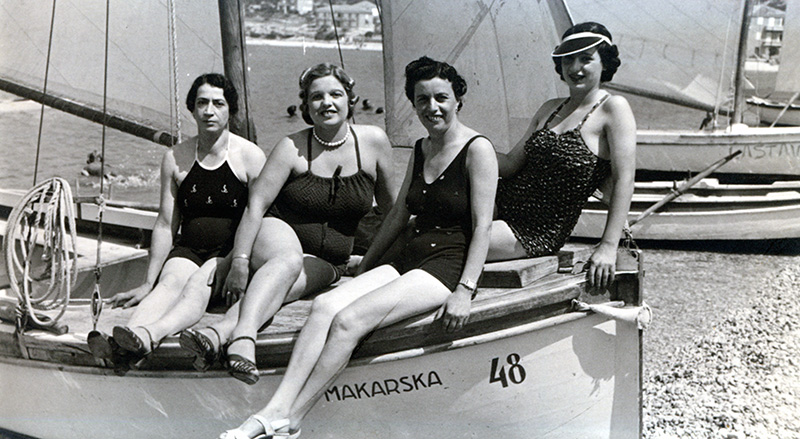
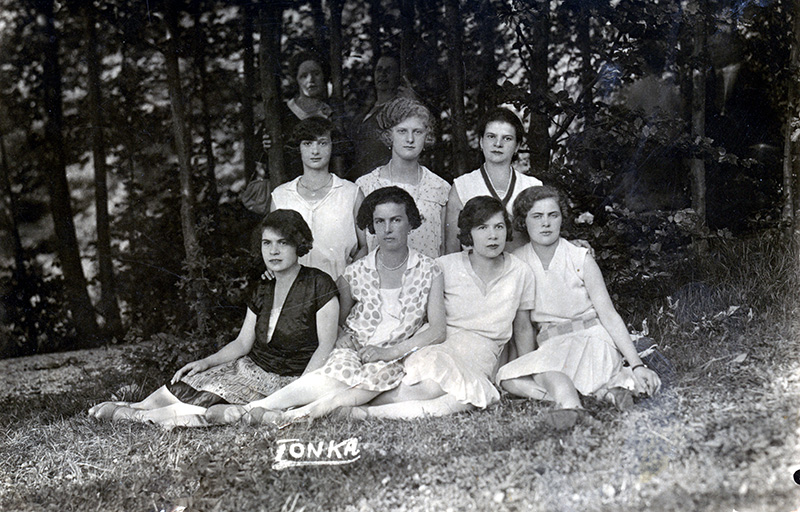
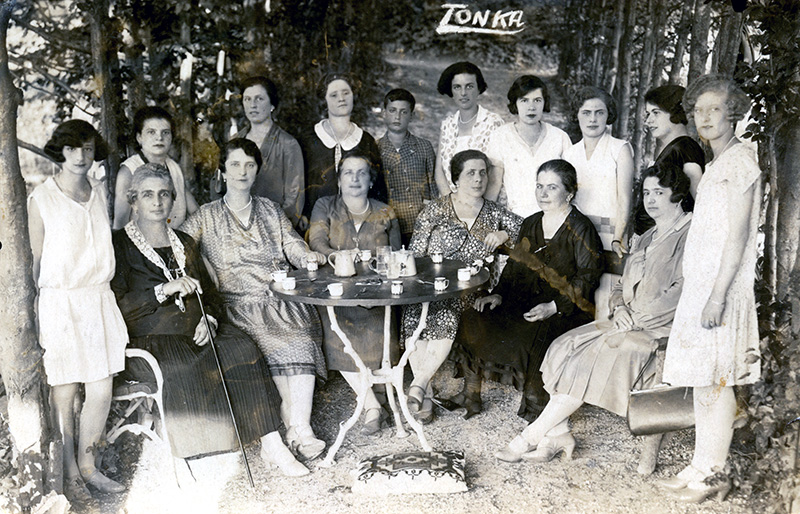
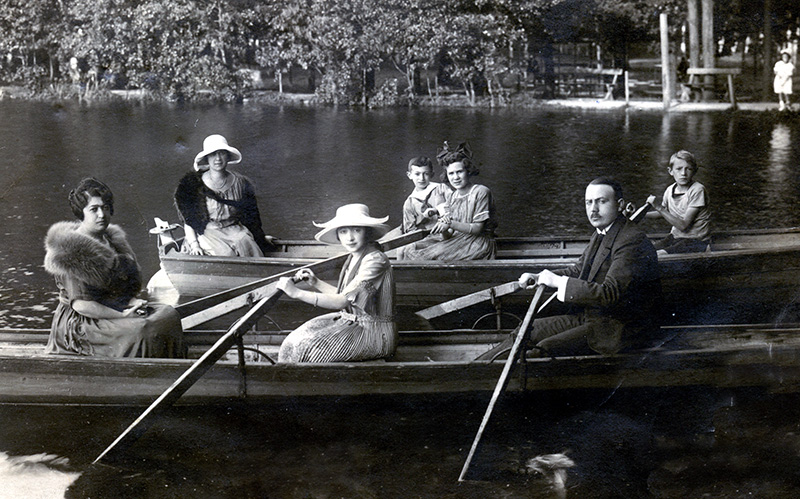
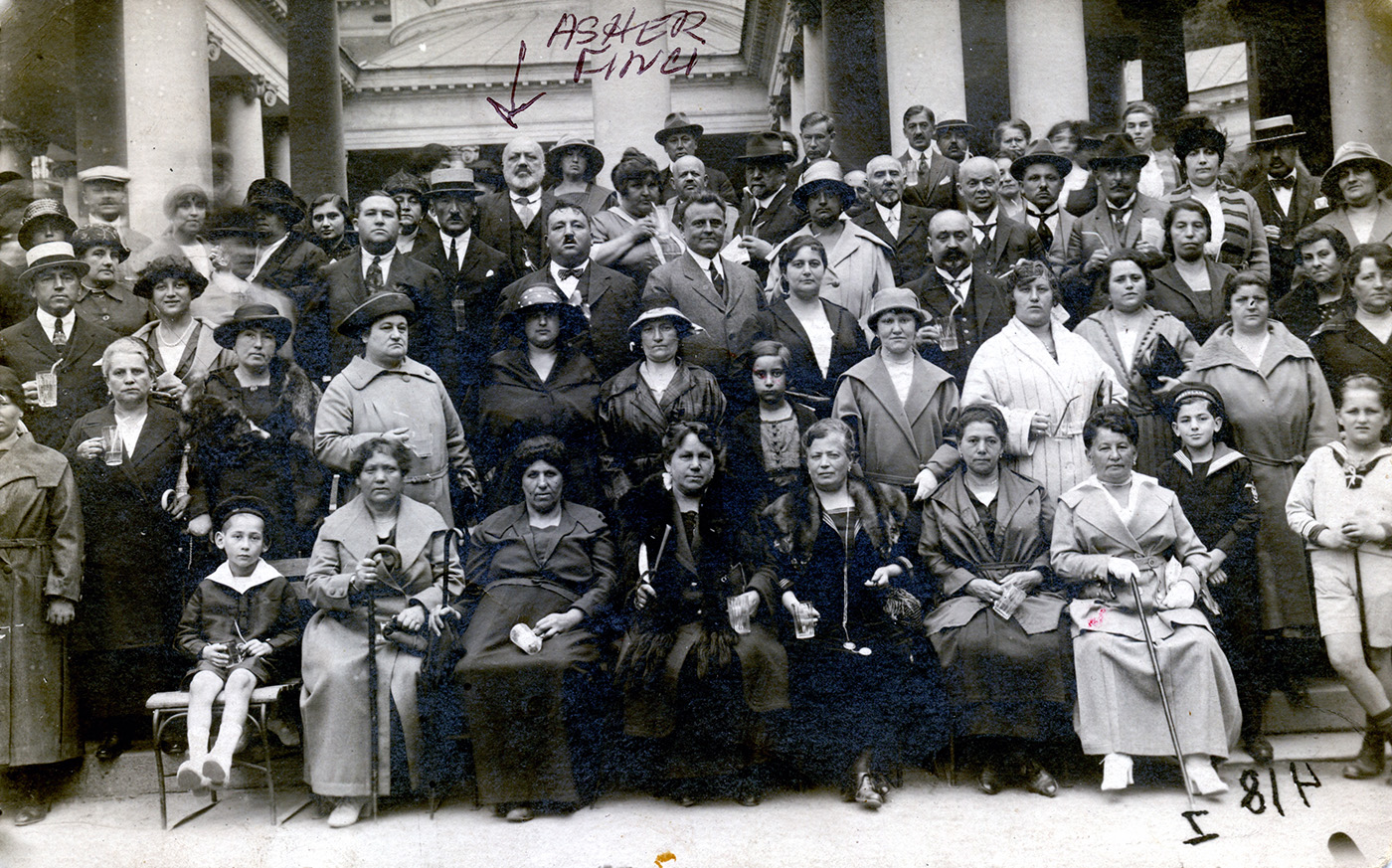
Another communal activity of well-to-do Sephardic Jews was taking collective trips outside of the city. Together they traveled to health spas and resorts for vacation and for the curative mineral waters of natural springs. Both large extended families and communal groups led by rabbis went to resort towns on the Adriatic coast, such as Makarska and Tonka, or farther north in Slovenia, such as Rogaska Slatina, destinations that Al visited as a child. These regular vacations with Sephardic friends and family marked his childhood in Sarajevo, and continued until the outbreak of World War II.
Pictured: A Sephardic group vacation led by Al’s grandfather, Hakham Asher Finci, standing on the far left in a straw hat. Photograph dated August 5, 1920.
World War II
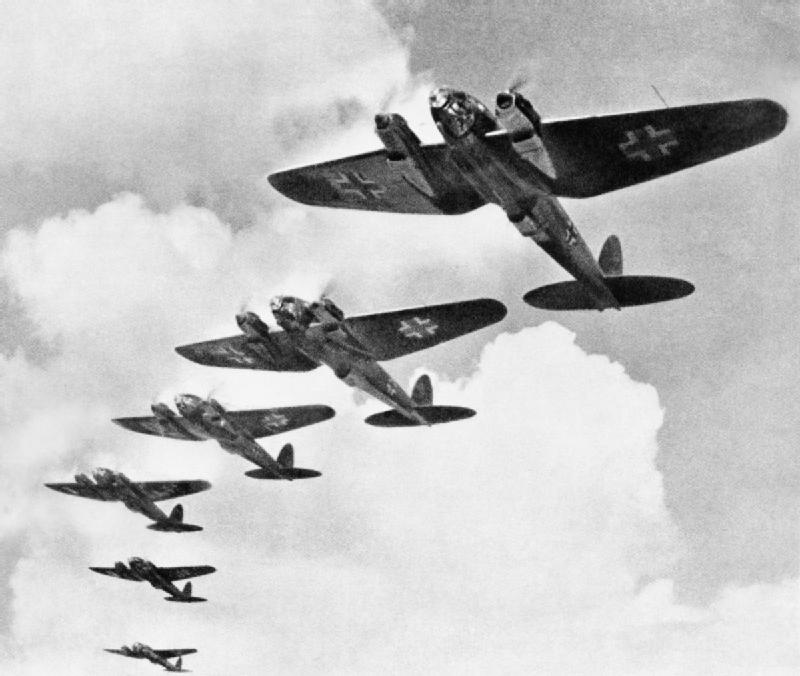
“Sirens sounded and we heard bombs falling. We ran into a shelter. We sat in the basement and listened to the bombs. When we came back to our house, all the windows were broken and there was a huge boulder in my bed. The next day, German planes arrived and the Yugoslav army set up machine guns on the building across from our house to shoot at the German planes. It brought more German planes to bomb them out and they destroyed our neighborhood. This lasted ten days and on April 15, the German army entered Sarajevo.” – Al
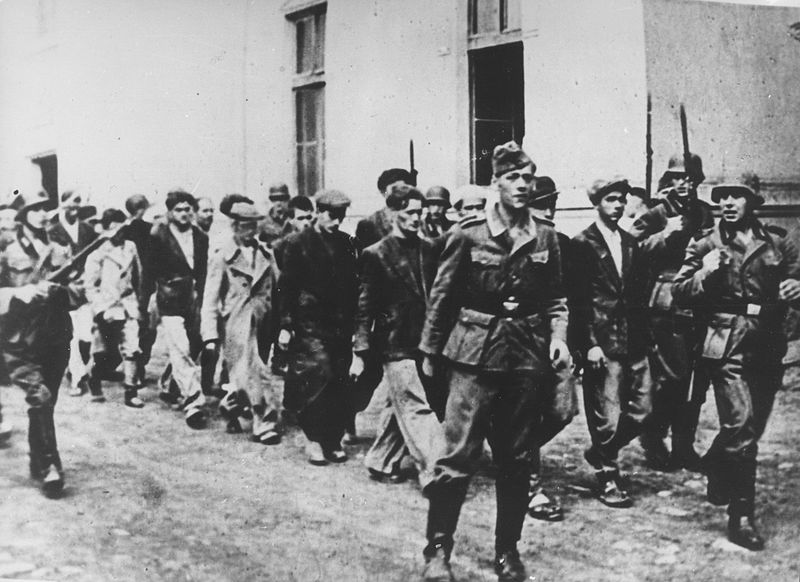
The Germans arrived in Sarajevo on April 15, 1941. They immediately destroyed the Sephardic synagogue in Sarajevo, the largest in the Balkans, and soon began requisitions, expropriations, and arrests. Many Jewish women, children, and elderly were interned in military camps while the men were taken for forced labor.
With their home destroyed in the German bombardment, Al and his family moved in with his aunt and uncle. They were forced to give part of the house to a Wehrmacht official and his attendant. The German soldiers left early every morning and returned when the family was having dinner, passing through the dining room without a word. But some evenings, they would come, sit with the family, and discuss the war— a chilling scene of the German soldiers and Jewish family sitting together around the table that Al remembers as an
“unexpected and unusual thing.”
In Sarajevo, the Germans and Ustasa began taking Jewish men off the street and conscripting them for forced labor. Every morning, men across the city left their houses at 4:00 A.M. for the labor camps and those who survived the day came home in the evenings to Sleep. Al was twelve years old when he was with his older teenage cousin and the Germans grabbed his cousin off the street and took him away.
“They took my father to forced labor and he would come home every evening, but we never knew if he’d come back. Walking on the streets became dangerous.” -Al
Rose’s father, Zygmunt, and her brother, Joe, were taken for forced labor before the Stocks could leave for Mostar with the false identity papers they obtained through a Muslim friend of the family. At the labor camp, Rose’s father, who was educated in Berlin, often spoke with a sympathetic German officer. One day, he told Rose’s father: “Don’t come back tomorrow. They’re taking all the men to a concentration camp.” Her father and brother returned home, packed their things, and left that night for Mostar in the Italian-occupied territory.
While Rose’s father and brother had been conscripted for forced labor, she and her mother were taken to an internment camp in Sarajevo. Living in military barracks, they were underfed and slept on the floor. In the middle of the night, they could hear the Ustasa corralling people onto trains and saw them shooting elderly religious men wrapped in their prayer shawls. Rose and her mother knew they needed to leave. Right after being released from the internment camp, they traveled as veiled Muslim women to Mostar, where their family reunited.
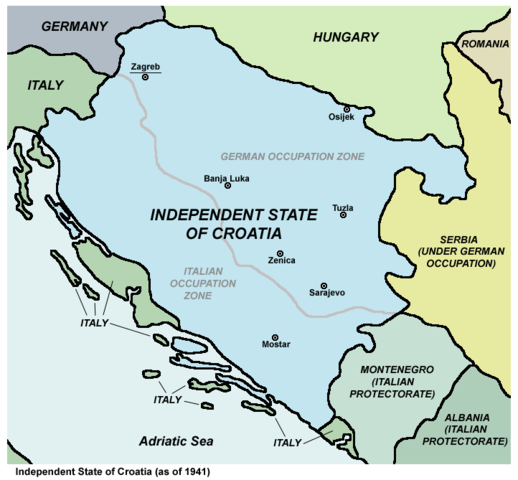
Like the Stocks, those who were able tried to leave often paid extortionate amounts of money to local officials for false identity papers to travel as non-Jews to the territories under Italian occupation. There they found a relative laxness in enforcing racial laws.
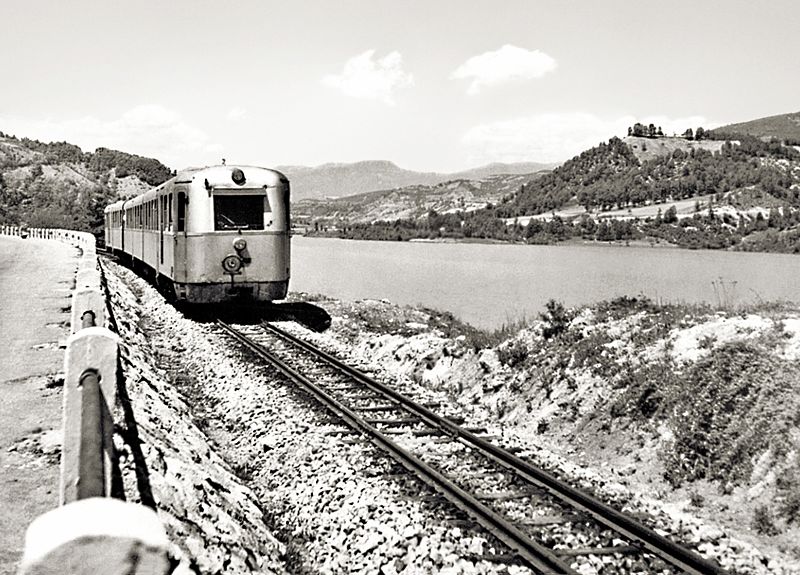
One month after the siege of Sarajevo, Al and his family also fled for the Italian-occupied territories. A Greek Orthodox Serbian friend of the family was the director of the Yugoslav railroad and was able to assist twenty members of Al’s extended family in fleeing to Italian-occupied Montenegro. They left in small groups, all carrying false papers with Muslim names.
Al and his sister, Erna, fled by train accompanied by a Muslim family friend, who wore a swastika armband so everyone could see it. When the train crossed into Italian-occupied territory, he removed the armband and took out rosary beads. Al’s family stayed briefly in Montenegro, but after political unrest caused by popular uprisings against the Germans, the large family left for the city of Split on the Adriatic coast.
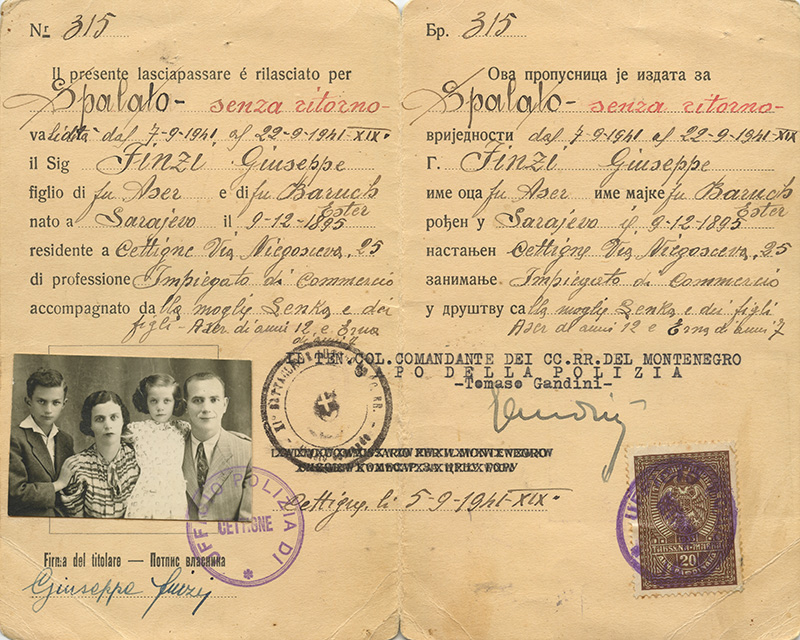
Both Al and Rose were among the fortunate Jews who managed to escape Sarajevo and make it to the Italian-occupied territories. Italian officials often evaded Nazi demands to hand over Jews, transporting them instead to internment camps on the Adriatic islands, where they sent Rose’s family, or to villages in northern Italy, where they placed Als family.
The Fincis had luck on their side. Only a few thousand Jewish refugees were brought into Italy before officials stopped placing them in villages. The family made it into the country during the small window of time when officials still made it possible.
On a cold, foggy day in December 1941, twelve members of Al’s extended family disembarked from a coach in Gramignazzo di Sissa, an agricultural village with two hundred residents on the delta of the Taro River. Both the townspeople and the family appeared disoriented by their arrival. The Fincis were dressed in their city clothes, holding suitcases and children, unsure of their surroundings. The townspeople had never seen Jews before. An absentee landowner rented Al’s family a house next door to his tenant farmers, the Ponghellinis, who would play a decisive role in the family’s survival.
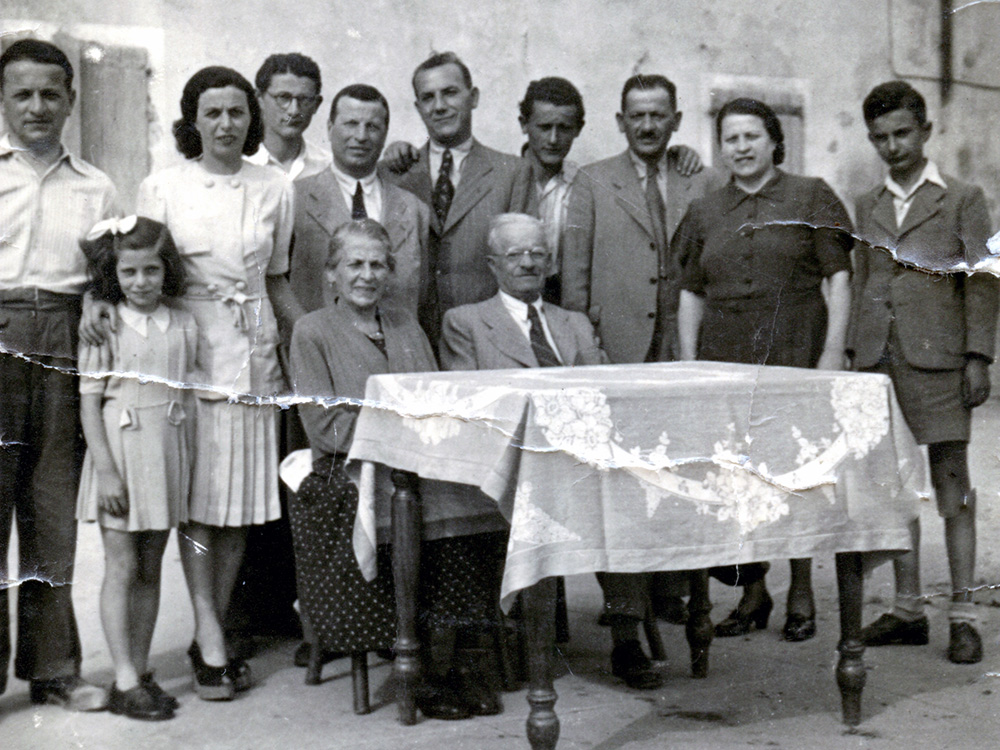
As foreigners from a cosmopolitan city interned in a small Italian village, the Fincis learned to live a different kind of life. Interment in Gramignazzo meant a state of semi-surveillance with significant restrictions.
They were unable to attend school or work, use public transportation or leave the village, plant crops, listen to the radio or read foreign newspapers, or host unauthorized persons.
Despite this, they felt safe with the Italians and developed friendships with local townspeople. Although wartime famine swept the country, the Ponghellinis made sure the Fincis had enough food. During the summer days, the children played with Italian neighbors, swam across the river to a watermelon farm, took long bike rides, and sat outside telling stories in the evenings.
They spent much of the bitter winters in the Ponghellini family barn, passing the time by playing cards. The children were homeschooled with books provided bv DELASEM (Delegation for the Assistance of Jewish Emigrants or Delegazione per l’Assistenza degli Emigranti Ebrei), and Als cousins taught him math, world history, and geography.|
While Al and his family spent two years in Gramignazzo, Rose’s experience of the war took a different course.
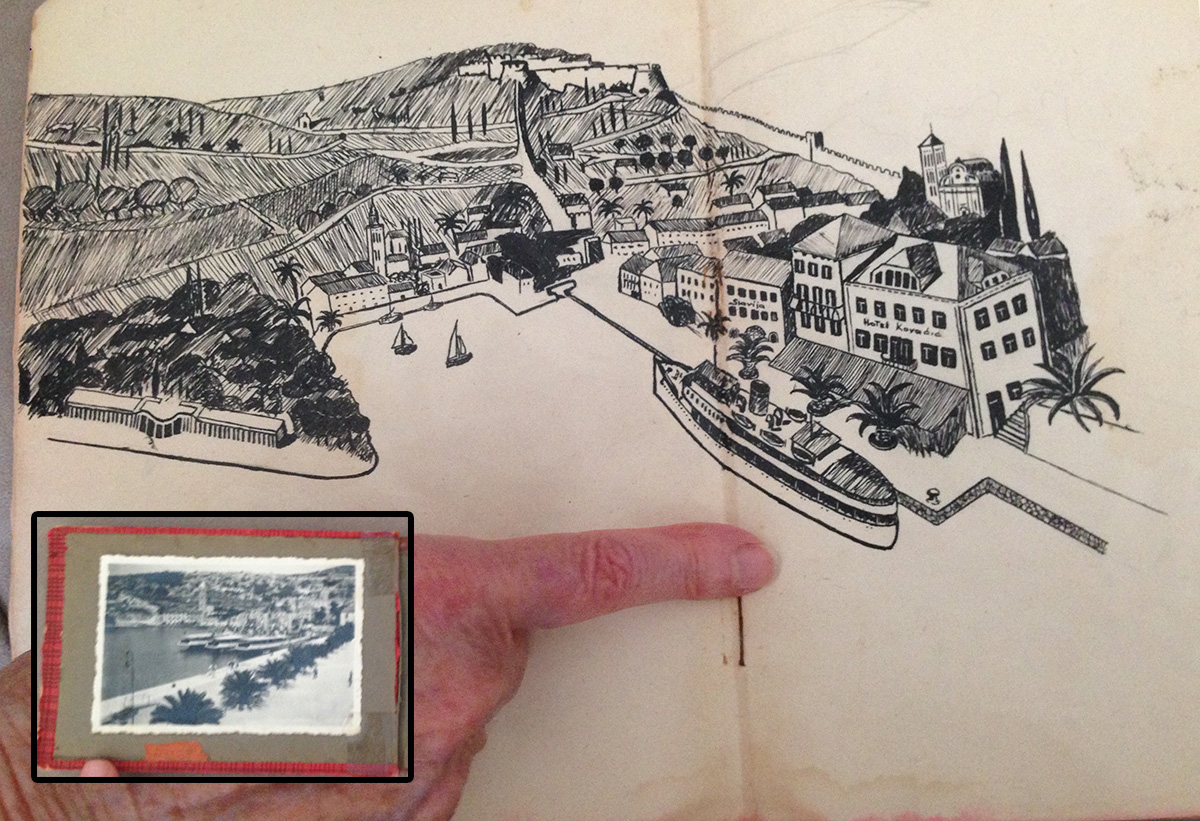
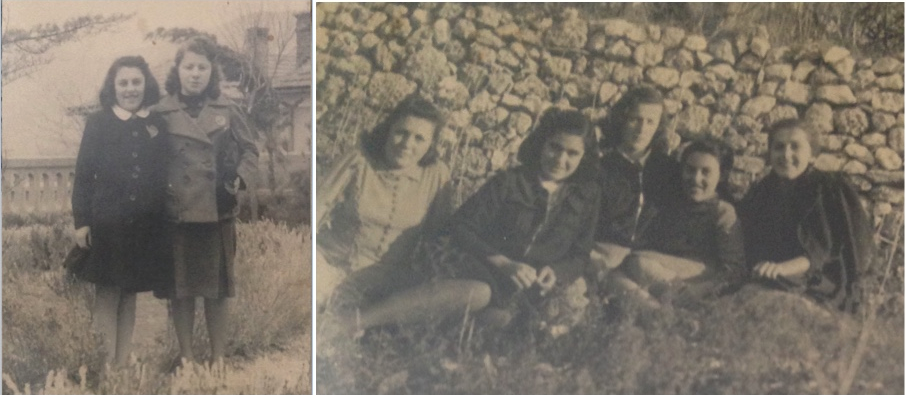
Ink drawing by Binko Kabiljo, Rose’s friend; Rose pointing to the hotel on Hvar where she and her family stayed.
The Italian authorities interned the Stock family on the island of Hvar before they joined 3,000 other Jews from Yugoslavia who were relocated to Rab. Unlike the living conditions in many internment and labor camps under German rule, life for the Jews interned on Rab was more tolerable. They were not subjected to forced labor, and the Italians provided cots and food rations. Jewish refugees in the camp created committees to oversee the running of daily life.
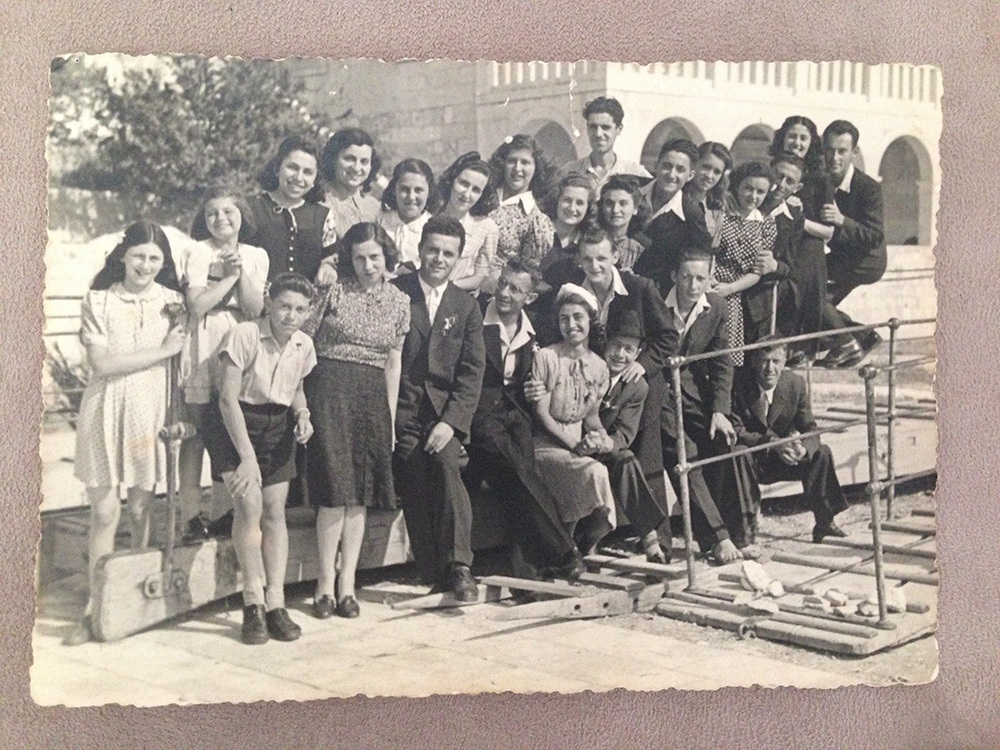
Both Al and Rose were liberated in September 1943, when the Italians capitulated to the Allied forces. But their freedom was short-lived. The allies won in southern Italy, but were unable to move up through Italy and its territories fast enough to prevent the Germans from taking them from the north.
On Rab, following the Italian surrender, partisans from the Yugoslav communist resistance movement began to evacuate Jews, moving over 2,500 people to the Croatian mainland. Unsure of what to do or where to go, Rose’s family followed her brother and joined the Yugoslav resistance. Those Jews who were too elderly or sick to leave Rab were taken by the Nazis and sent to
Auschwitz.
Al and his family also needed to flee from the German forces advancing into Italy. The Jews living in villages throughout northern Italy like Gramignazzo were known by their neighbors, and within one week, they disappeared in a silent, mass evasion.
During their time in Gramignazzo, the Fincis had developed a support network. They went into hiding in a supply shed in a vineyard the Ponghellinis cultivated while they waited for identity papers. Every night, the Ponghellini’s daughter, Esterina, brought them food and clothing, crossing the fields on foot at great risk. With the help of a clerk in the regional registry and the mayor of Sissa, the family obtained false identity papers to flee the region. Decades later, Fausto Catelli would establish the Museum of Memory to share the story of Al and his family’s internment in their small town of Gramignazzo.
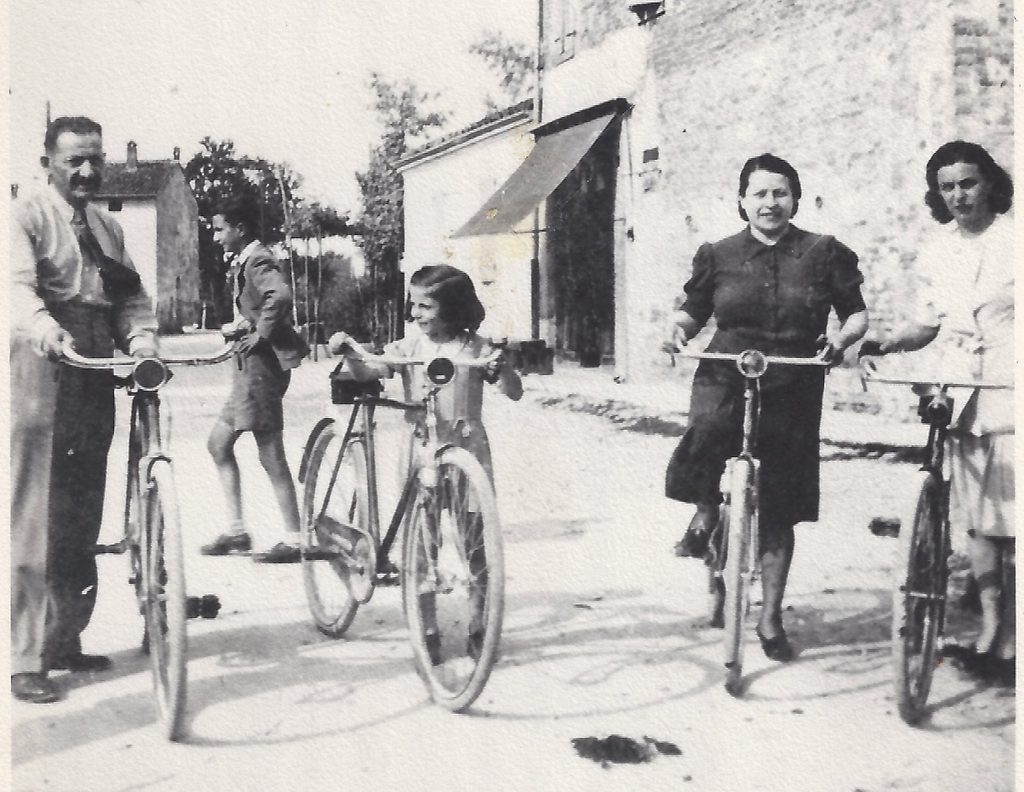
Al and his family fled to the city of Parma, where they rented rooms from a widow and her two daughters.
There they lived in complete secrecy. They introduced themselves as refugees from Milan who were fleeing the allied bombings. Al’s father never went outside. His uncle pretended to be a deaf-mute so that his poor Italian pronunciation would not give them away. But it soon became too dangerous to stay in Parma. Every night, the Nazis surrounded several city blocks and went house to house searching for allied pilots and POWs who had escaped, as well as Jews, who they sent to Auschwitz.
Rather than fleeing to the allied-occupied territory of southern Italy, Al and his family decided to travel north, deeper into Nazi-occupied Italy and across the Alps to Switzerland. They went through Milan to Moltrasio on the shore of Lake Como, and from there they set off in small groups to cross the Alps by foot in the middle of the night. In the distance, they heard the barking of German dogs. His family had enlisted the help of a guide. Al recalled:
“I can see his face right now but I don’t know his name, don’t know if I ever knew his name. He worked a lot with peasants who knew the mountains well. Father paid him and the price was whatever you had left. That was the price of freedom. It’s incredible the feeling of arriving in Switzerland and not having to worry about what’s going to happen tonight. Just an incredible feeling.” -Al
It was April 1944 and Al was fourteen years old.
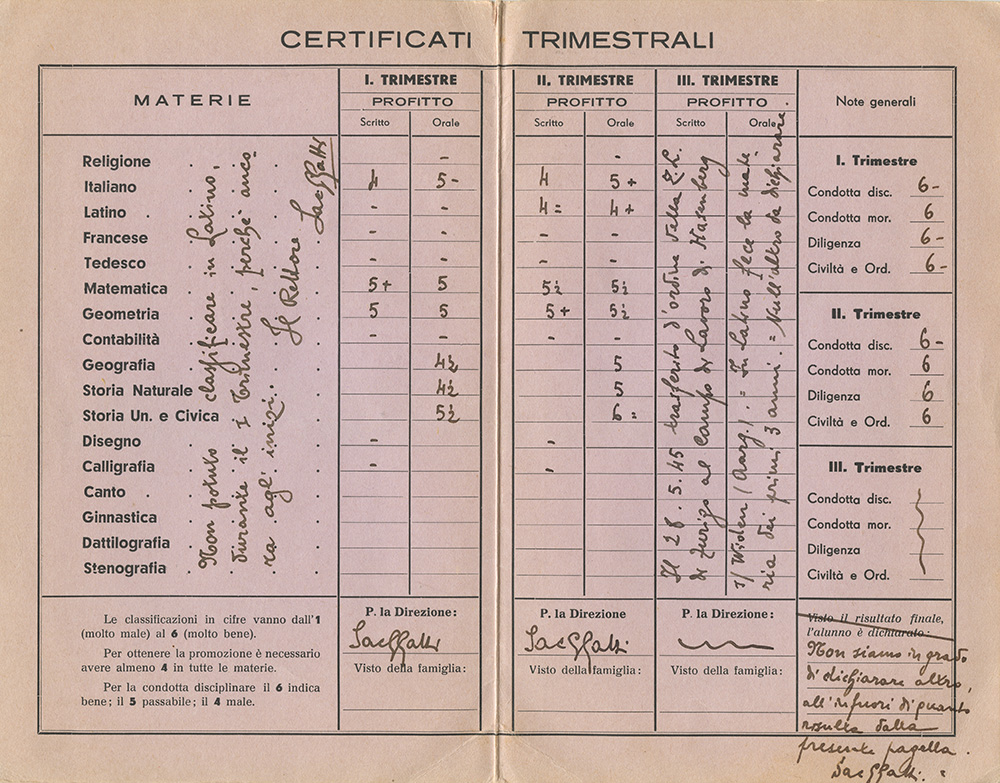
Many Jewish refugees arrived in Switzerland from Italy and France. The Swiss issued the refugees documents, and placed them in schools, foster homes, and hotels empty from the war. Al went to a Jesuit boarding school, Collegio Maschile Sant’anna, the first time in years that he formally attended school, but was expelled after representing the Jewish students to the principal and objecting to their attending mass. At his second boarding school, he spent his days digging potatoes. Al remained there until the end of the war.
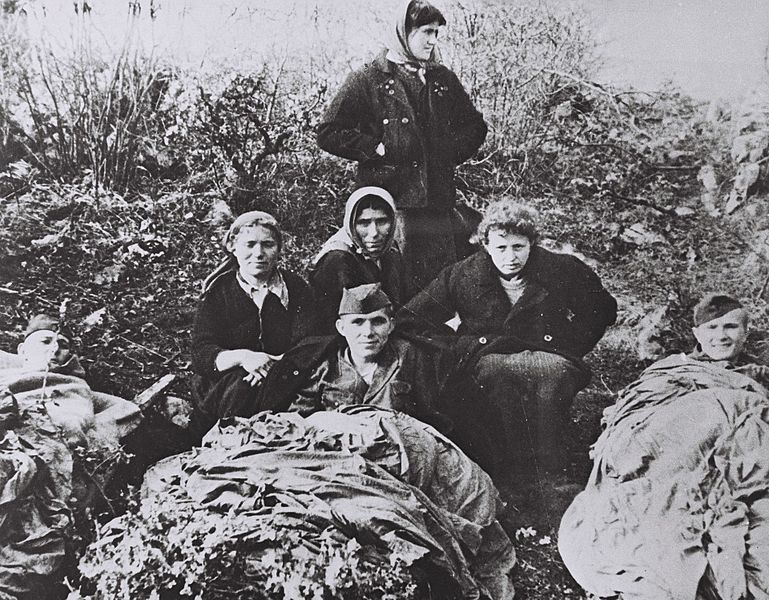
While the Fincis were in Parma and Switzerland, Rose and her family had joined the partisans in the Lika region of Croatia. The partisans were constantly on the move to evade attacks by the Ustasa and Germans, hiding in the forests during the day and staying in different villages every night wherever peasants would let them, in barns and in stables. To buy food, Rose’s mother sold what was left of their belongings, and Allied forces provided supplies and parachuted clothing down to the partisans.
Everyone who lived with the partisans helped however they were able. Rose’s brother became a lieutenant in the Jewish brigade. Her father worked in the fields with the peasants, and her mother cooked for the soldiers. Rose was too young to fight, but she helped with the cleaning and cooking.
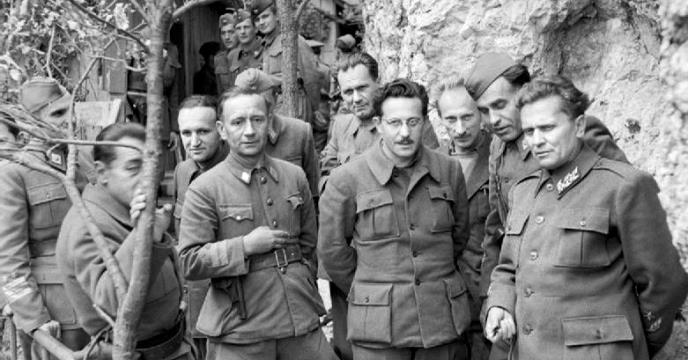
Whenever Marshall Tito, the leader of the Yugoslav resistance, visited the partisans, he came in disguise. Fearing spies and assassination, he never slept in the same village twice. One morning, by the time Rose discovered that she had just cleaned Tito’s room, he was already gone.
Living with the partisans was dangerous, and Rose’s mother was concerned for the family’s safety. When Randolph Churchill, the son of British Prime Minister Winston Churchill and a soldier in the British army, came from Italy to deliver food and supplies to the partisans, Rose’s 4″11 mother pleaded her case to Churchill. She wanted to leave for the Allied territories, so Churchill agreed to bring the Stock family back on his boat with him to southern Italy. After spending over a year living with the partisans, in early 1945 Rose arrived at a displaced persons (DP) camp in southern Italy wearing an oversized Eisenhower jacket
On May 8, 1945, Nazi Germany Officially surrendered to the Allies and the Soviet Union, and World War Il came to an end in Europe. Al reunited with his parents and sister in Switzerland, and together the Finci family
returned to Italy.
Much of Al’s family died during the war. He says that he survived because of three things: the foresight of his parents, who always knew when to run to avoid danger; the goodness of the Italian people, who hid them, fed them, and obtained their documents at peril to themselves; and lastly, a little bit of luck.
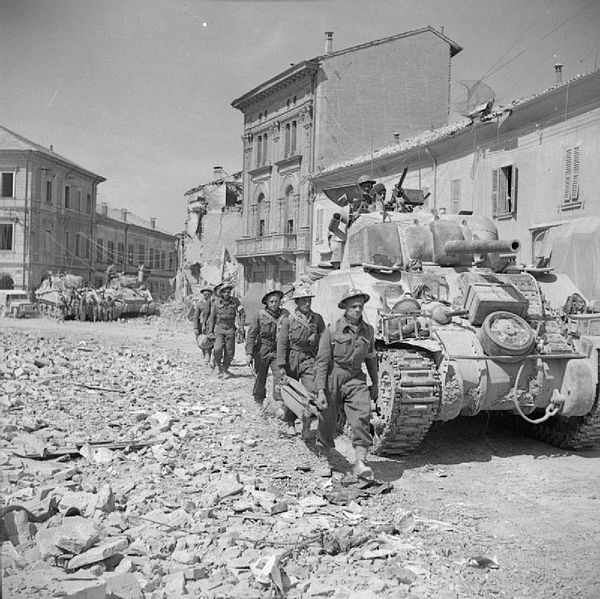
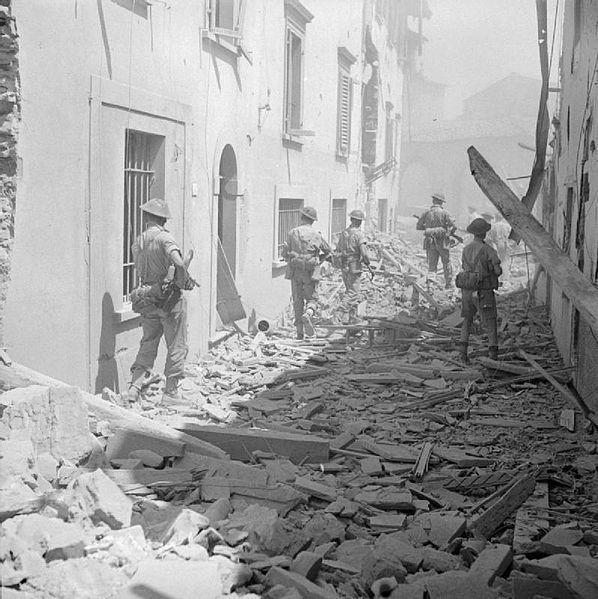
Allied forces in Italy, 1944-1945.
“You live like that and you stop being a child at age twelve.” -Al
What does it mean to live your childhood during a war? In some ways, the war made Al and Rose mature faster. Experiencing the terror of war at such a young age— fleeing from the Nazis and Ustasa, seeing people and family members arrested and shot, and living in hiding, labor camps, and internment camps-cut their childhood short.
While the war sped up their childhood, at the same time, it held them back. For Al and Rose, the war meant a lack of consistency and routine, of stable friends and schooling. It left them feeling restless and eager to catch up on their education, begin their career training, and rebuild their lives.
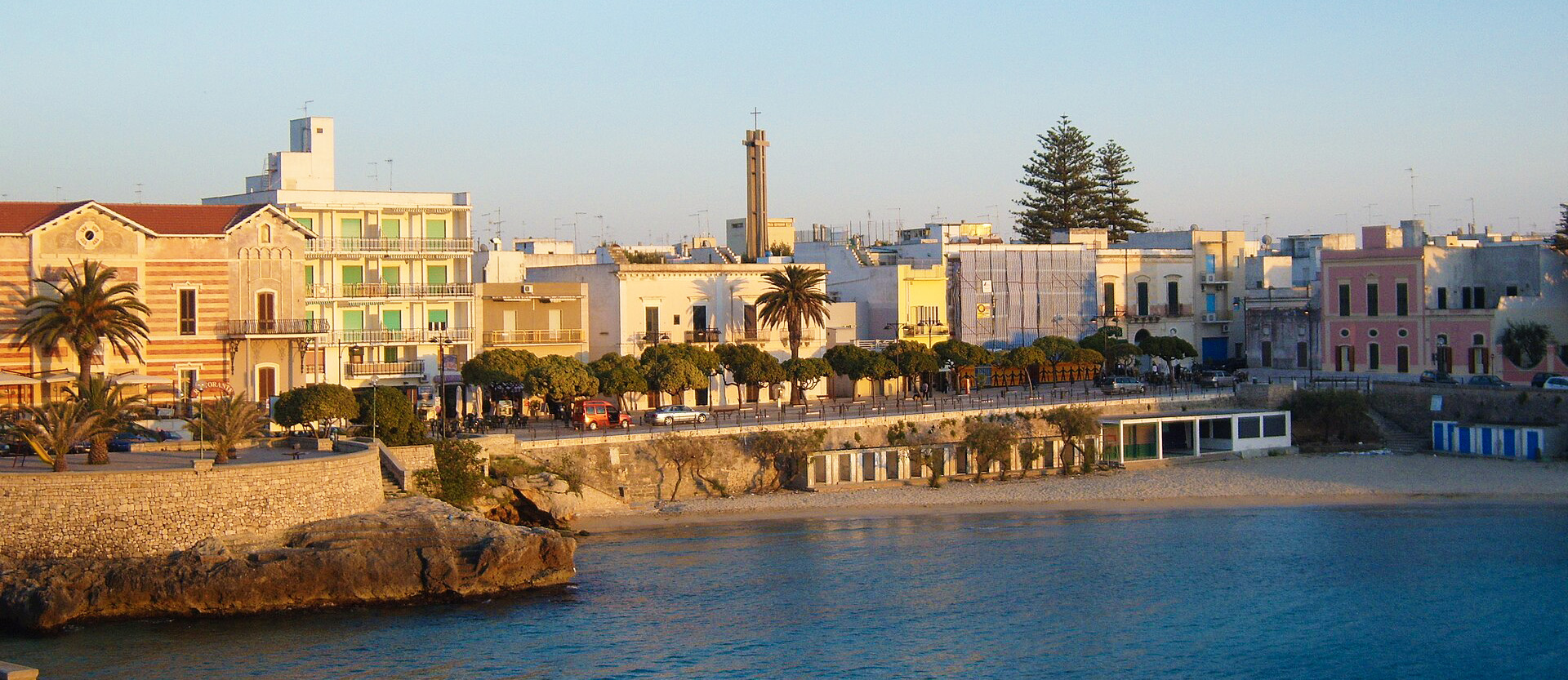
In the Displaced Persons Camp of Santa Maria di Bagni
“War came and we went our separate ways, and eventually we wound up in the DP camp, and there she was.” -Al
By 1947, there were 250,000 Jewish survivors in displaced persons (DP) camps. While all the DP camps across Europe were administered by the United Nations Relief and Rehabilitation Administration (UNRRA), many Jewish relief organizations were active in the camps, and Jewish survivors had much internal autonomy in coordinating camp affairs. In many camps, the American Joint Distribution Committee (DC) supplied food and clothing, and the Organization for Rehabilitation through Training (ORT) provided vocational training.
Santa Maria di Bagni was the largest DP camp in southern Italy, housing 2,300 Jews in requisitioned local villas. Survivors streamed into the camp from across Europe, speaking German, Yiddish, Polish, Russian, Serbo-Croatian, and Hungarian.
It was there that, amid the postwar disorder and confusion, Al and Rose met for a second time.
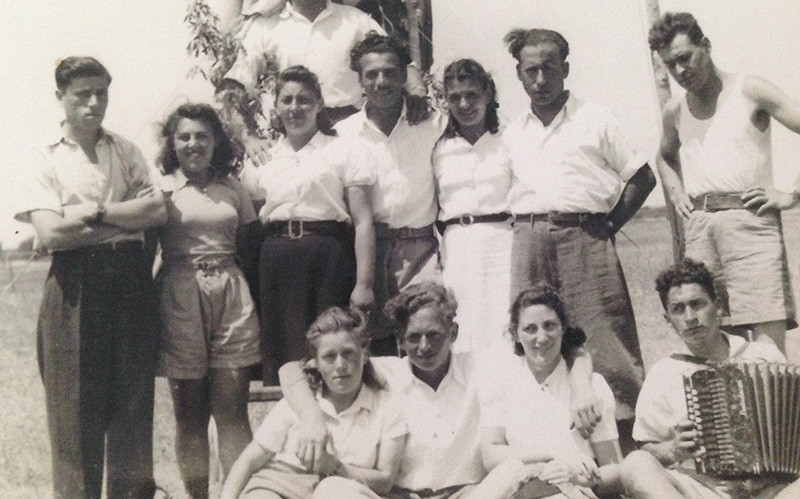
“In Santa Maria, I was free. I didn’t have to be afraid.” -Rose
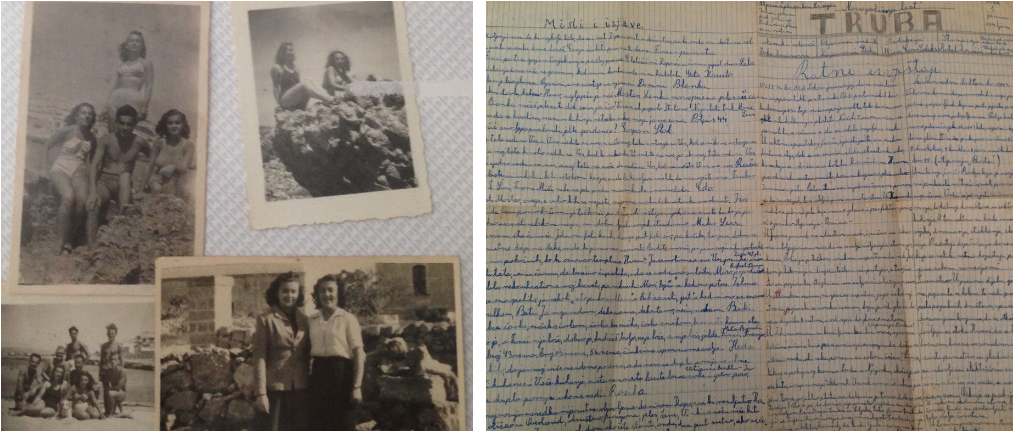
Everyone in the camp held jobs. Rose worked in the ORT office and took social work classes. Al had a job as a nurse’s aid in the camp hospital. After working, many young people spent their afternoons on the beach. They enjoyed relaxing in the sun, and their tan skin became a sign of health after the war. Rose’s uncle, Abraham Zukert, came from the United States to visit her family on Santa Maria. He brought Rose a two-piece swimsuit—a new and exciting gift in 1946, and the only one like it on Santa Maria.
It was on the streets of Santa Maria that Al and Rose found each other once again, now as teenagers who had survived the last five years of war. They recognized one another from their childhood in Sarajevo and became friends during their time in Santa Maria, as did their families.
Rome
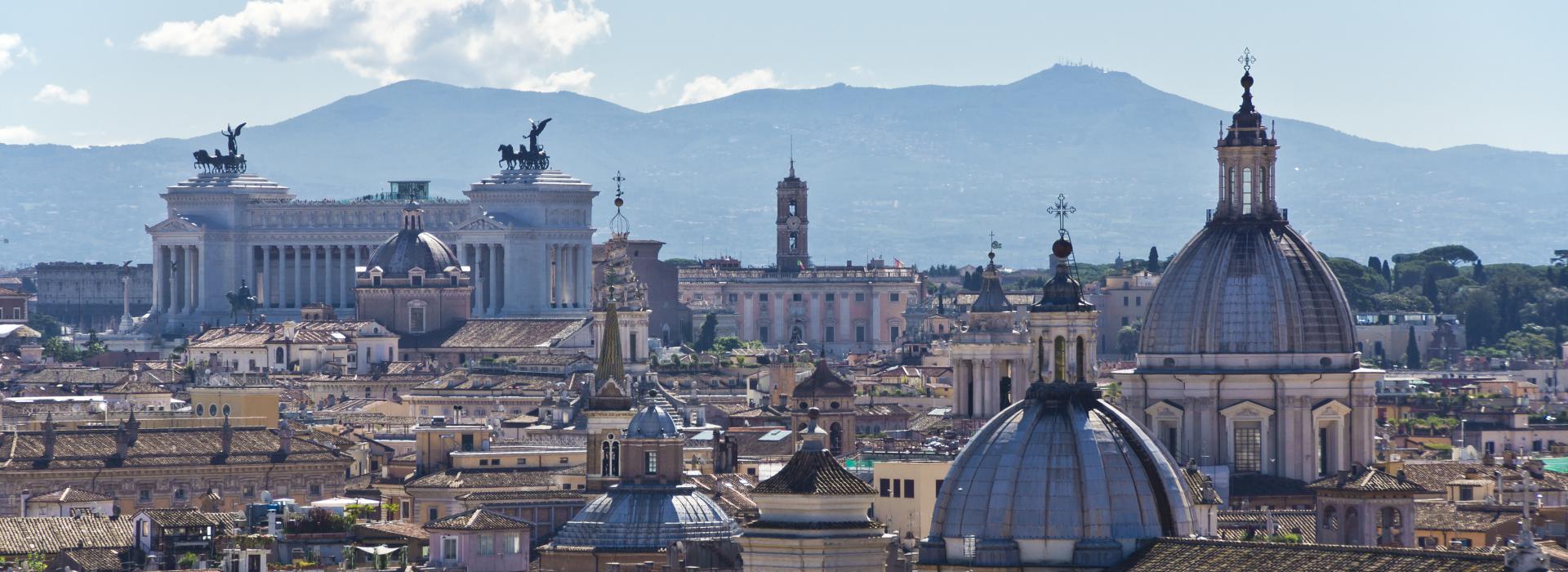
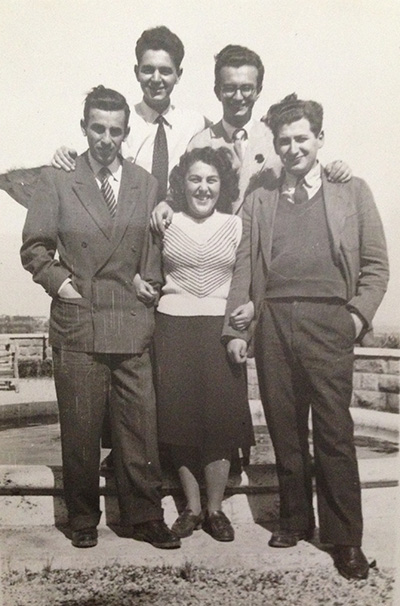
Two years after the war, the DP camp closed in 1947. Al’s family departed for Rome, and Rose’s family arrived a few months later. While they waited for their visas to leave Italy, their mothers found an apartment together near the Vatican that the two families shared. Al and Rose were both eighteen, and like many young survivors, they eagerly awaited the next chapter of their lives. They spent their time with friends going out to the movies or Italian variety shows, eating in restaurants, or dancing in a favorite jazz club on Via Nazionale.
“We had a good life in Rome. We were working and we had enough money to go to the theater, opera, dancing.” -Al
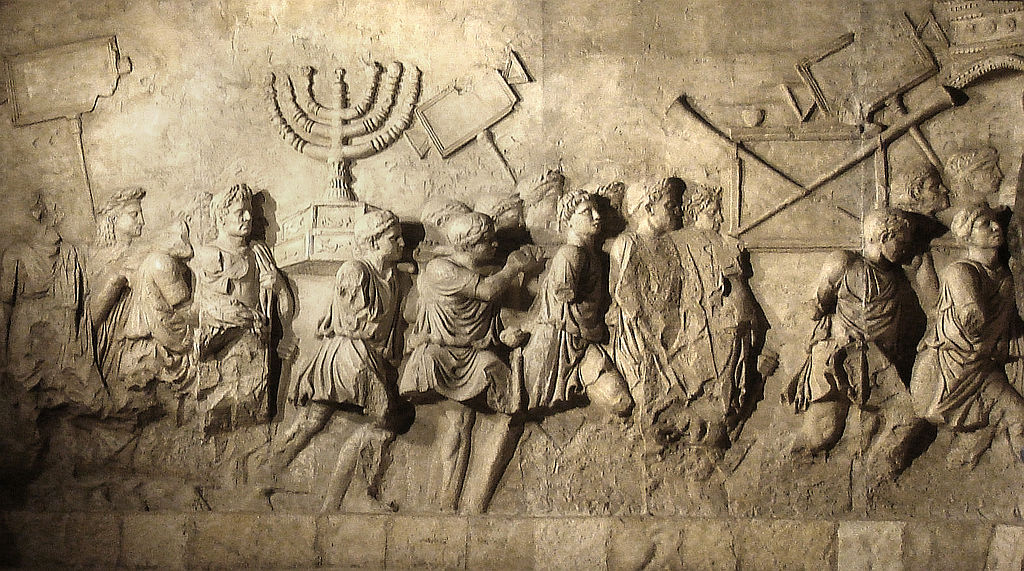
On November 29, 1947, the United Nations General Assembly passed a resolution calling for the establishment of a Jewish State in Palestine. Spontaneous celebrations erupted in the streets of Rome. Jews gathered at the Arch of Titus, which commemorates Titus’s siege of Palestine in 70 CE.
The destruction of the Temple was a source of grief for jews for centuries, and Jewish tradition prohibited Jews from walking under the arch. After the U.N. resolution passed, Rose and her family joined Zionist groups; the Chief Rabbi of Rome, David Prato; and Jews across the city in parading under the arch for the first time.
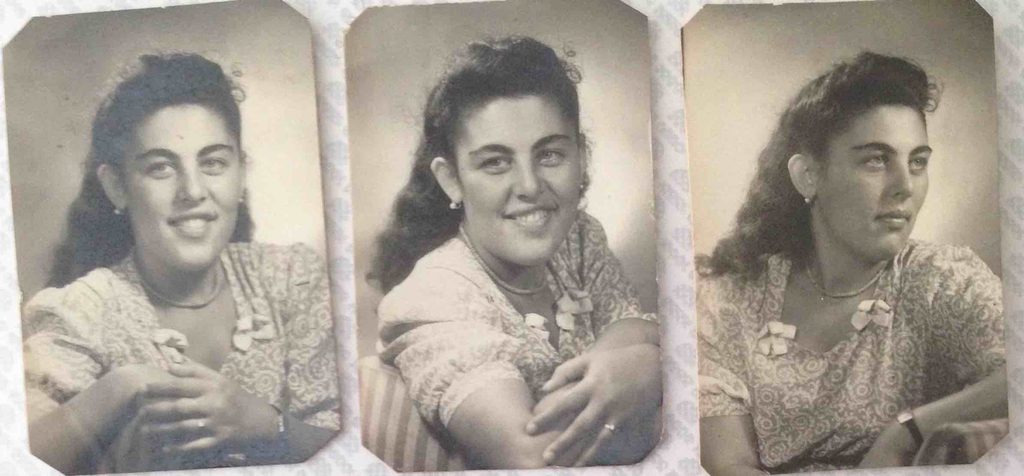
Rose completed her high school education at an Italian-Polish high school and trained as a social worker at the International Refugee Organization (IRO), a U.N. agency that was the precursor to the Office of the U.N. High Commissioner for Refugees. After the war, the U.S. voted to increase its immigration quota to allow more Jews to enter the country. But officials seeking to counteract the measure extended the admittance process to include more medical and psychiatric evaluations; they easily found faults and rejected applications. During the Stocks medical examinations, Rose’s father was misdiagnosed with Trachoma twice, delaying their family for an additional six months each time. Only on the third attempt did the family finally succeed in getting their visas to the United States.
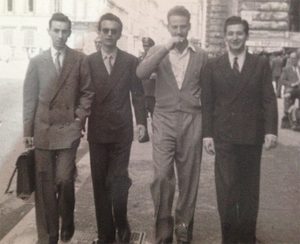
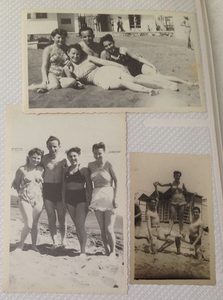
Al got a job in Rome with the Hebrew Immigrant Aid Society, assisting other DPs in securing visas, primarily to South America. Many countries severely restricted immigration or closed their borders entirely. Some DPs sought to repatriate and returned to their homes from before the war, but a growing number looked to Palestine. Though the British, who had received a U.N. mandate to administer Palestine, severely restricted Jewish immigration, it did not deter the many DPs who immigrated illegally. Neither ardent Zionists nor seeking to return to Communist Yugoslavia, the Fincis hoped to emigrate to the United States. There they could join Als uncle, the only other surviving sibling of his father’s fifteen brothers and sisters.
The Fincis had applied for American visas, but were told it would take ten years. They were resigned to immigrating to South America, though were concerned that many Ustasa had found refuge there after the war. Though Al and Rose had always liked each other, they had accepted that their families would resettle on different continents. As Rose’s family prepared to leave, they said goodbye, never expecting to see one another again.
Slowly, Al’s friends began to disappear as their visas came through. Then, in March 1950, Al unexpectedly received a phone call from the U.S. consulate in Naples notifying him that his family’s American visas were ready.

America
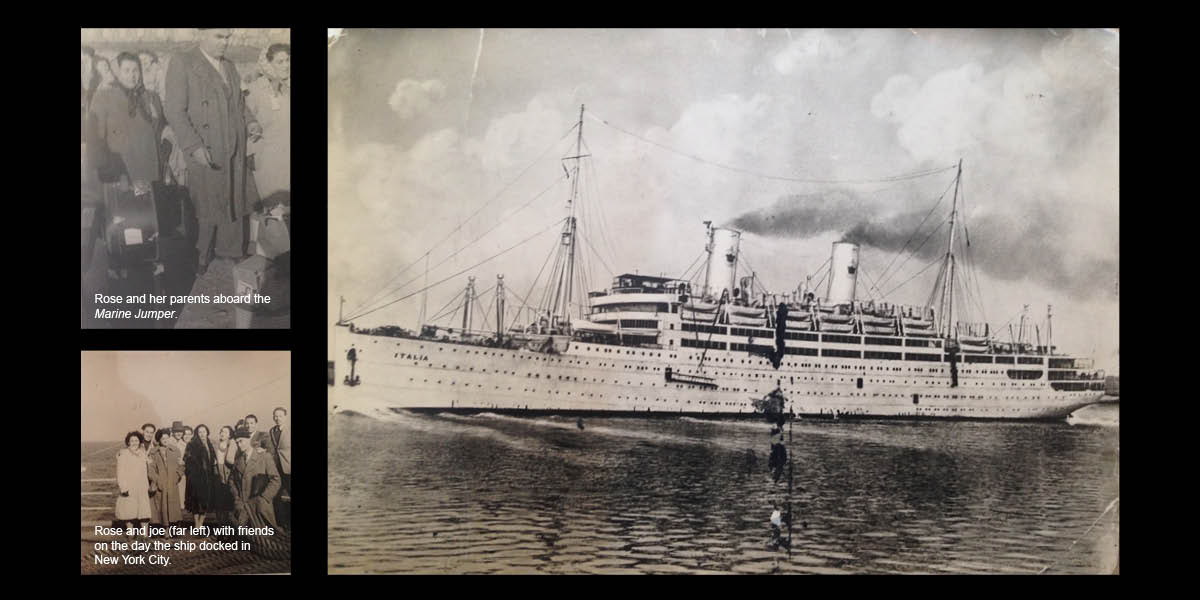
Rose and her family lived with her aunt and uncle at 192nd Street and Riverside Drive. She got a job in accounting operating a comptometer. Rose felt very fortunate that her transition to living in America was not difficult due to the love and support from her extended family already living there.
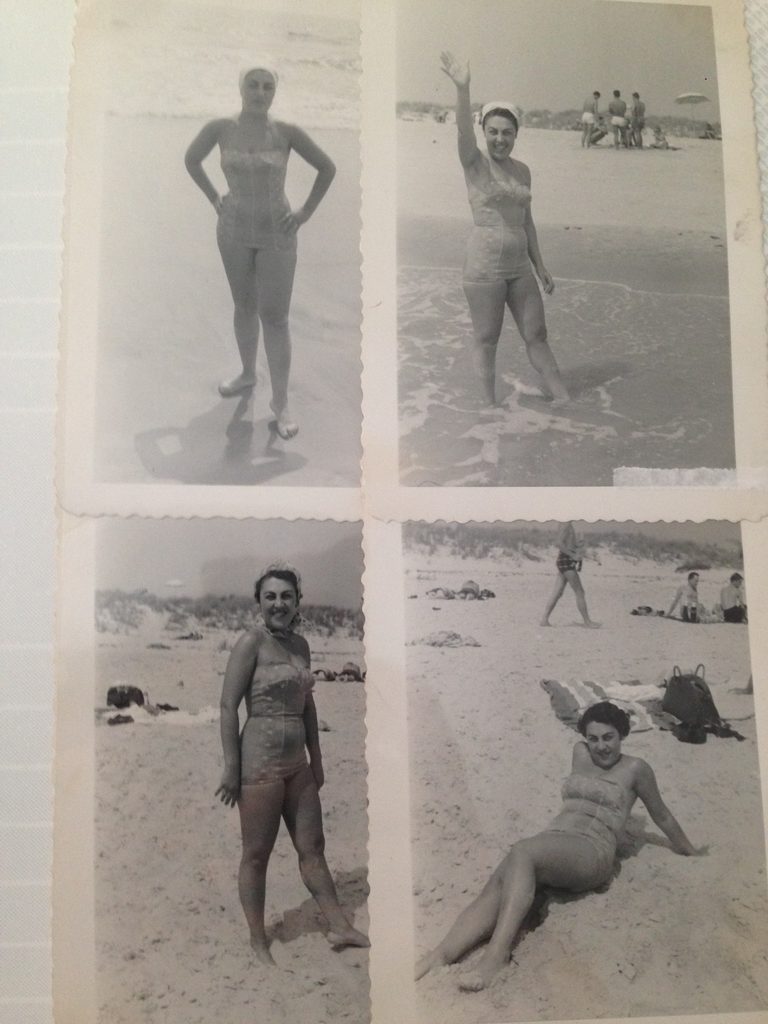
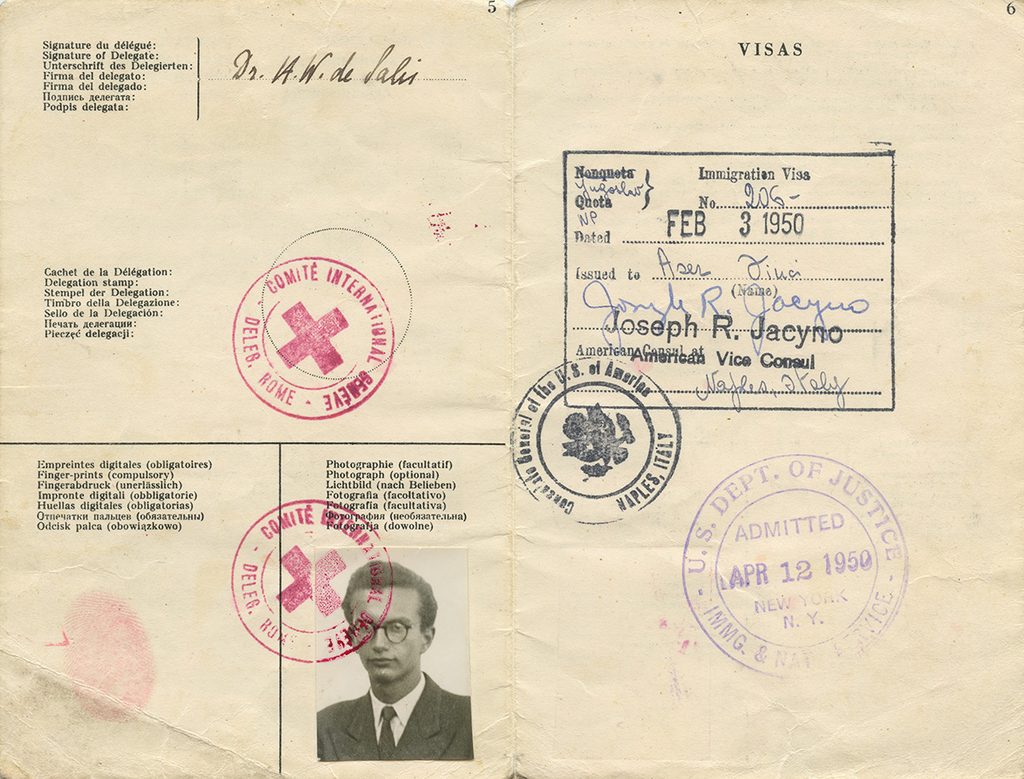
“We were suddenly in Los Angeles and no one spoke any English. In restaurants, I ordered chicken because it was the only thing that I knew what it was. I was twenty-one years old, and I just wanted a normal life.” -Al“We had a good life in Rome. We were working and we had enough money to go to the theater, opera, dancing.” -Al
How do you rebuild your life in a new place and culture, in a new language?
Jewish Family Services (FS) helped the Fincis find jobs and an apartment in the neighborhood of Boyle Heights. Al worked at a television factory for 80 cents per hour and a Hawaiian shirt manufacturer before settling into a job as a bookkeeper at a company that refurbished wooden crates. At night, he took English classes and exams to earn credits towards a high school diploma. He passed his exams in world history, geography, and math, which he had studied with his cousins during the war in Gramignazzo.
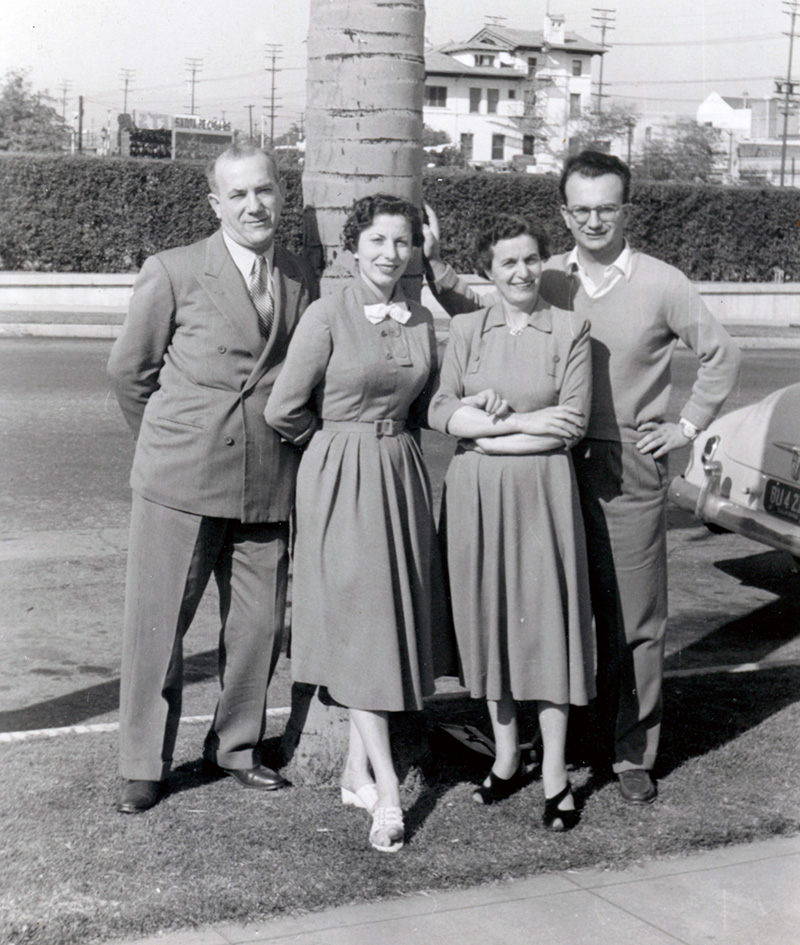
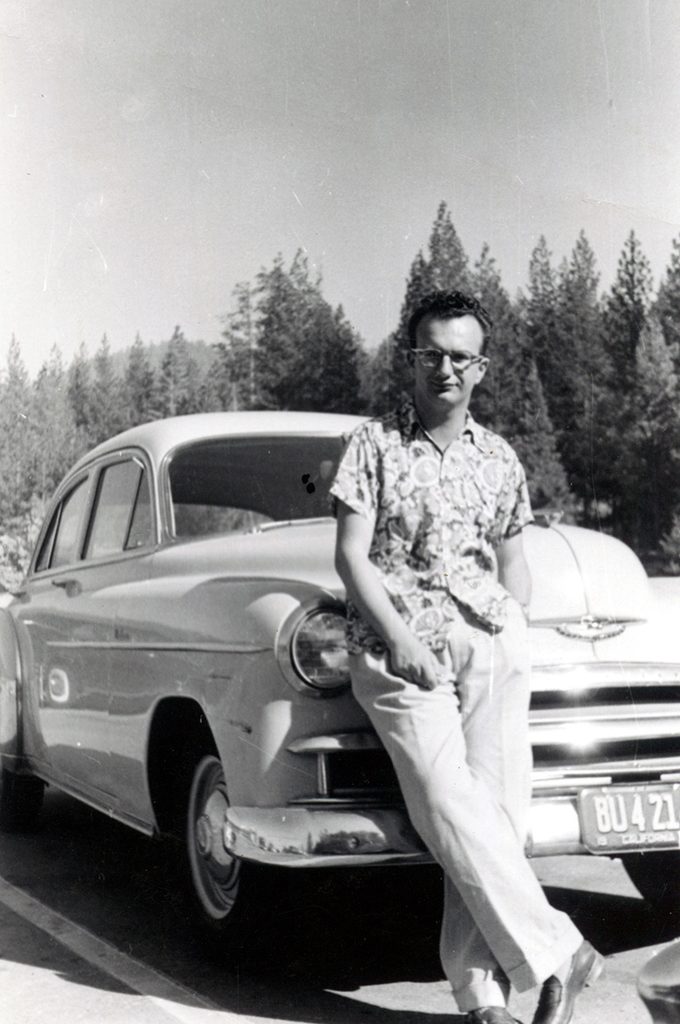
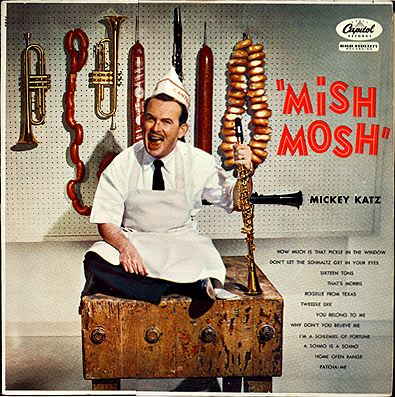
The Fincis had never seen Jews like they saw in California. That first year, JFS arranged for the family to attend High Holiday services. As the Fincis approached the synagogue on Yom Kippur, they saw young men with their heads uncovered sitting and smoking outside the synagogue. They were just as surprised when they first encountered American Yiddish culture. Al’s boss gave the family tickets to see the Ashkenazi comedian Mickey Katz perform at the Wiltshire Theater. “Everyone was laughing and we had no clue what was going on,” Al recalled.
In Los Angeles, the Fincis found a Sephardic Jewish community that was comprised of mainly Jews from Rhodes and Turkey, with only a small group of Sephardic Jews from the Balkans. Although the Sephardic Jews from across the former Ottoman Empire attended the same synagogue, they tended to organize their own social activities. During those early years, the Fincis built strong friendships with other Jewish émigrés who settled in Los Angeles.
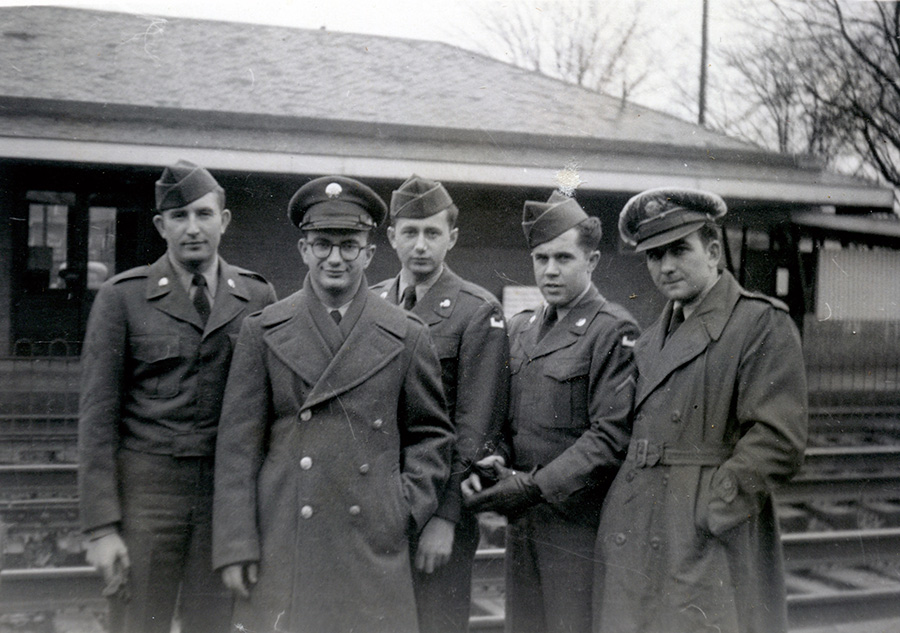
Within the year, Al received a draft letter from the U.S. army to fight in the Korean War. Heartbroken, his mother cried that she did not save her son from Hitler to go fight in Korea. Al enlisted in March 1951, assigned first to work in military intelligence. He began his basic training at Fort Meade, Maryland, and in the third chance encounter, Al was stunned to run into Rose’s brother, Joe, who had also been drafted. Knowing that Al was far from his family in California, Joe invited him to spend his breaks and holidays with the Stock family in New York City.
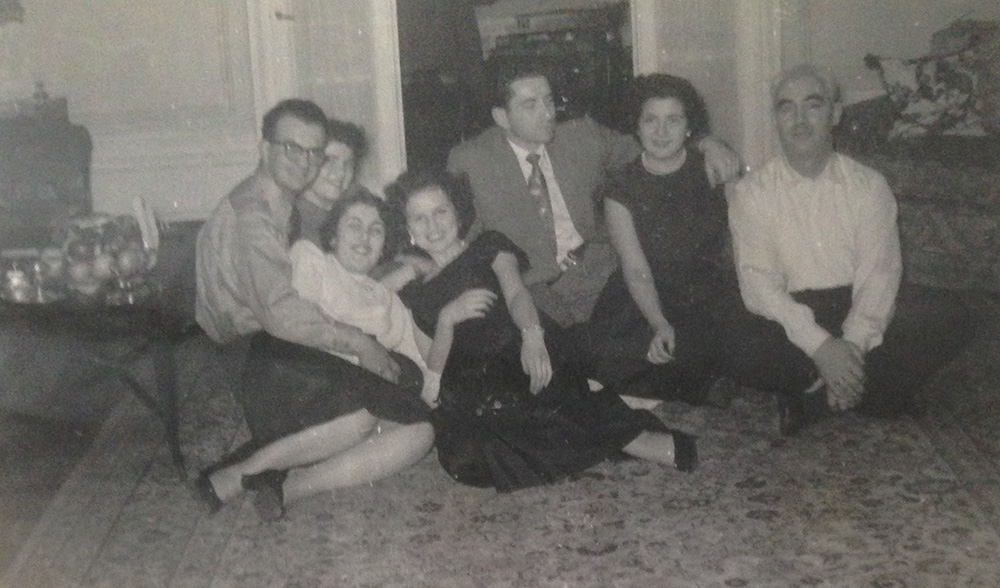
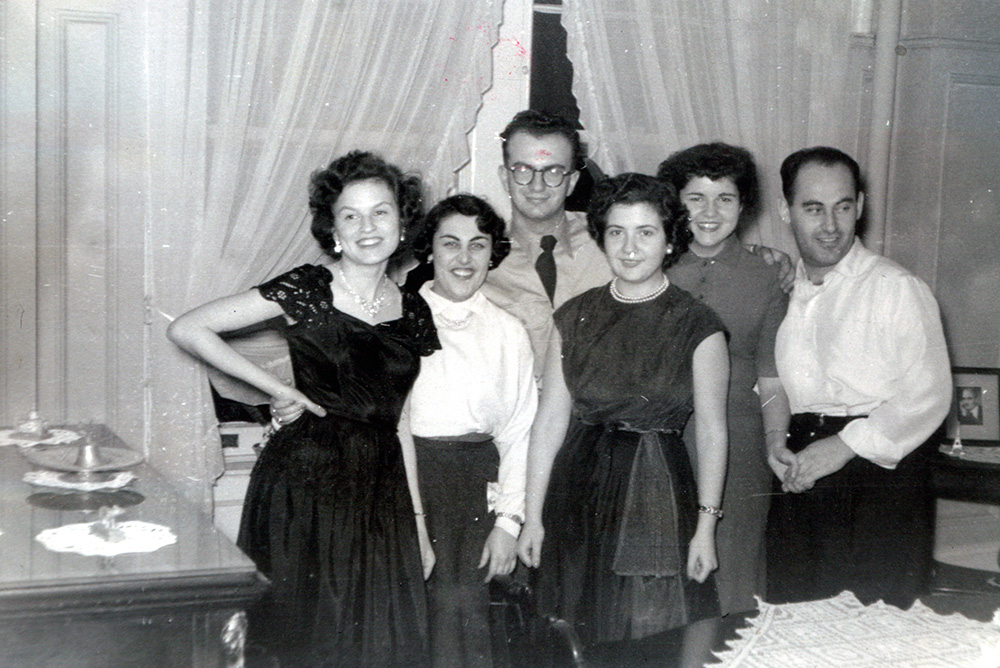
When the army learned that Al still had relatives living in Communist Yugoslavia, he was transferred from military intelligence to the Army Language School in Monterey, California, where he taught Serbo-Croatian. With few opportunities for formal schooling, Al consistently sought to learn from those around him. In the army, he found himself in an educational environment with young soldiers from faraway states, all bringing different languages and experiences.
“Serving in the US army was a great opportunity to learn.
Wherever you are, there’s always something you can learn.”
-Al
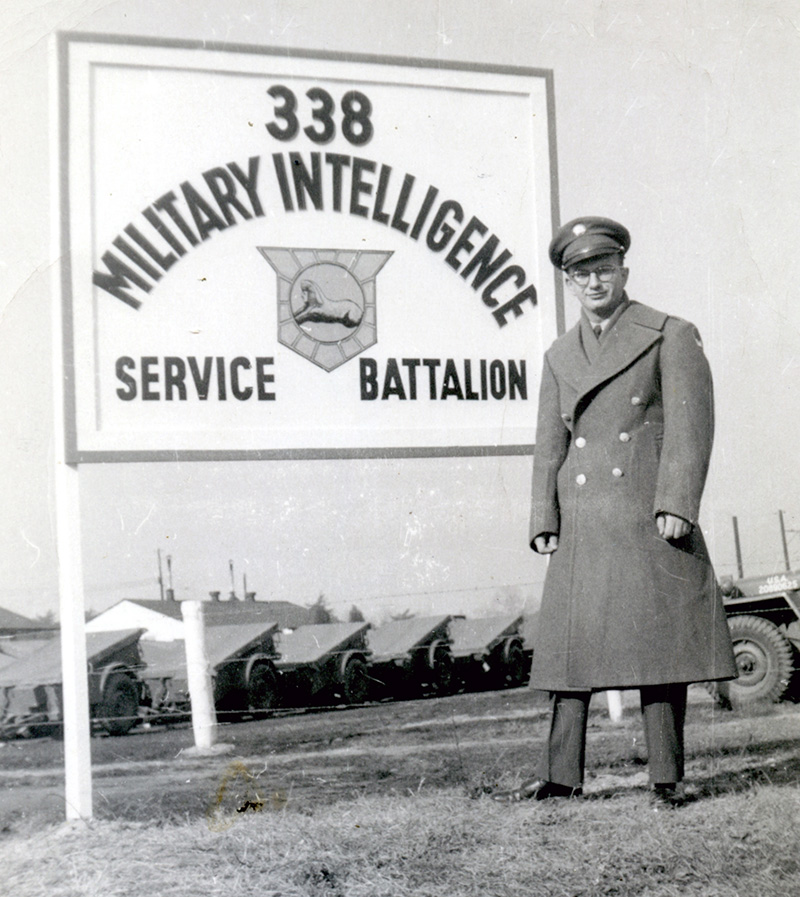
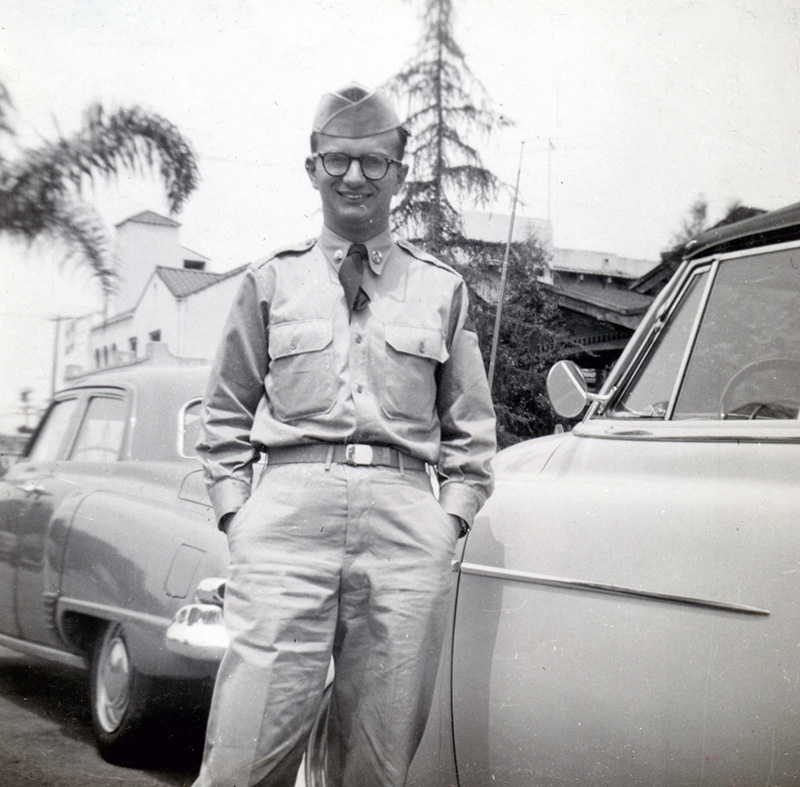
Because of the U.S. army’s rigid anti-Communist stance and its concerns about Al’s family ties to Communist Yugoslavia, he found himself on the opposite side of the country and separated from Rose once again. No longer able to visit each other, they stayed together through their letters.
“We were still very good friends, and we were writing each other letters non-stop, every day.” -Rose
Once discharged from the army in 1953 with the end of the Korean War, Al enrolled at UCLA with the support of the Gl Bill. As a new student on campus unaccustomed to the university classroom, professors’ ways of teaching, or habits of studying, Al got a D- on his first exam in Philosophy 6A. He commuted from his family home and worked to help support his family. The only thing that kept Al on campus were screenings of the
McCarthy hearings at the Student Union. Struggling to understand the American political system, the hearings were one way that he learned about his new country.
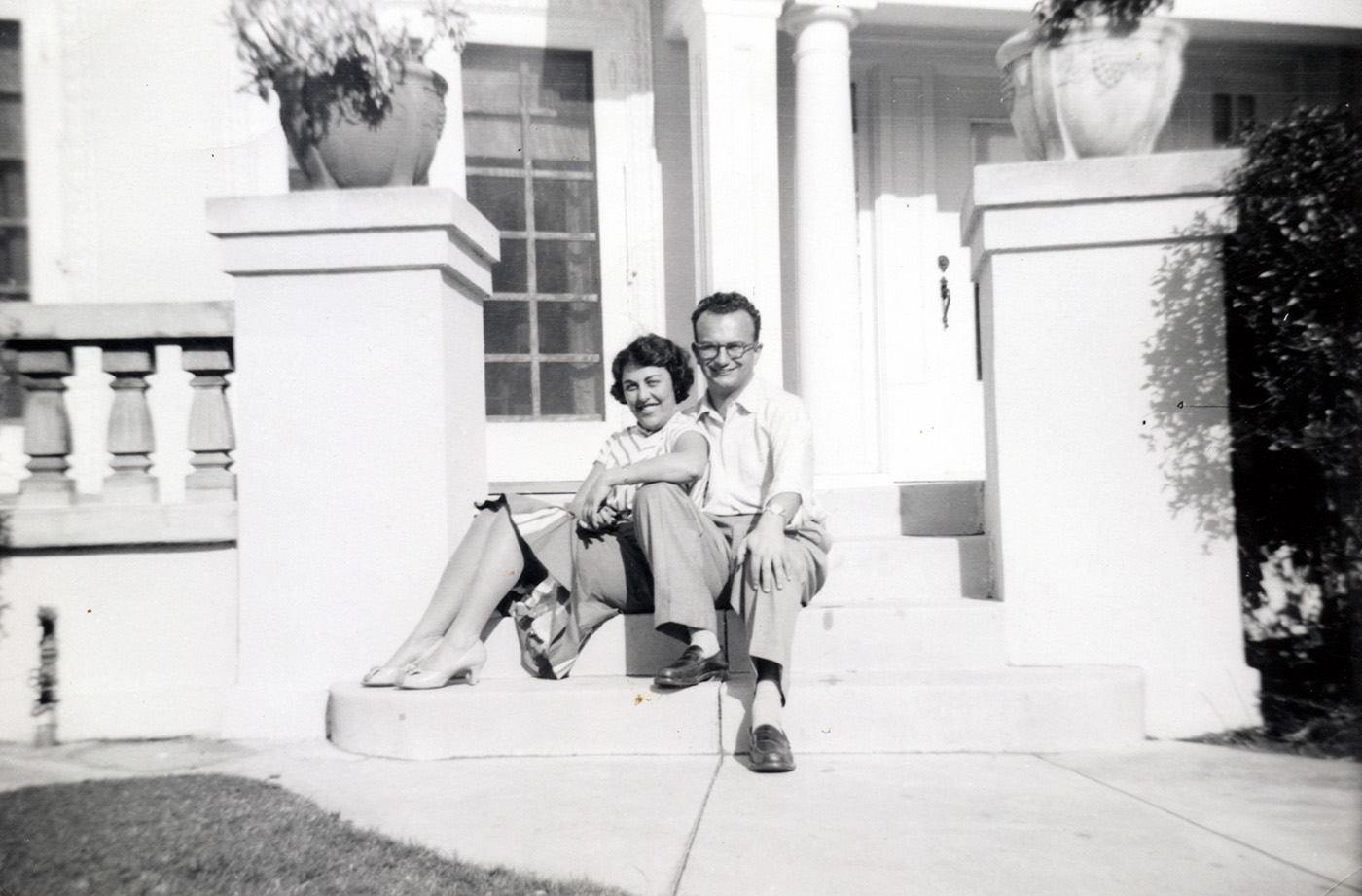
Throughout his studies, Al and Rose remained in close contact. In 1954, Rose came to visit Los Angeles and Al’s mother, Lenka, invited her to stay with the family. For two weeks, Al and Rose spent almost every day exploring the city together and Al’s grades dropped. After the trip, they decided to marry, planning their wedding for Al’s spring break.
In April 1955, Al picked Rose up from the Burbank airport and they drove to Nevada, where they could marry without the delays caused by the medical tests needed for a marriage license in most states. In Las Vegas, they found a Temple in the Yellow Pages, arranged to be married by a rabbi there, and hired two witnesses from the neighborhood. In Sarajevo, “intermarriage” between Sephardic and Ashkenazi Jews was rare, but the tendency no longer held in their new country. They celebrated with friends and family in New York as well as Los Angeles, where they soon moved into their own home
Image: Al and Rose in Los Angeles, 1955
Although Al began his studies with a rough start, he completed his BA in three years, graduating in 1956 with highest honors and Phi Beta Kappa. While Al continued on to earn his MBA, he and Rose had their first two children, Joe in 1957 and Jeff in 1959. Helen was born three years later in 1962. After graduating, Al began working for the accounting firm Seidman & Seidman. He would retire as Vice Chairman in 1992 from the same firm, later renamed BDO USA, LLP.
In addition to their three children, Al and Rose now have six grandchildren.
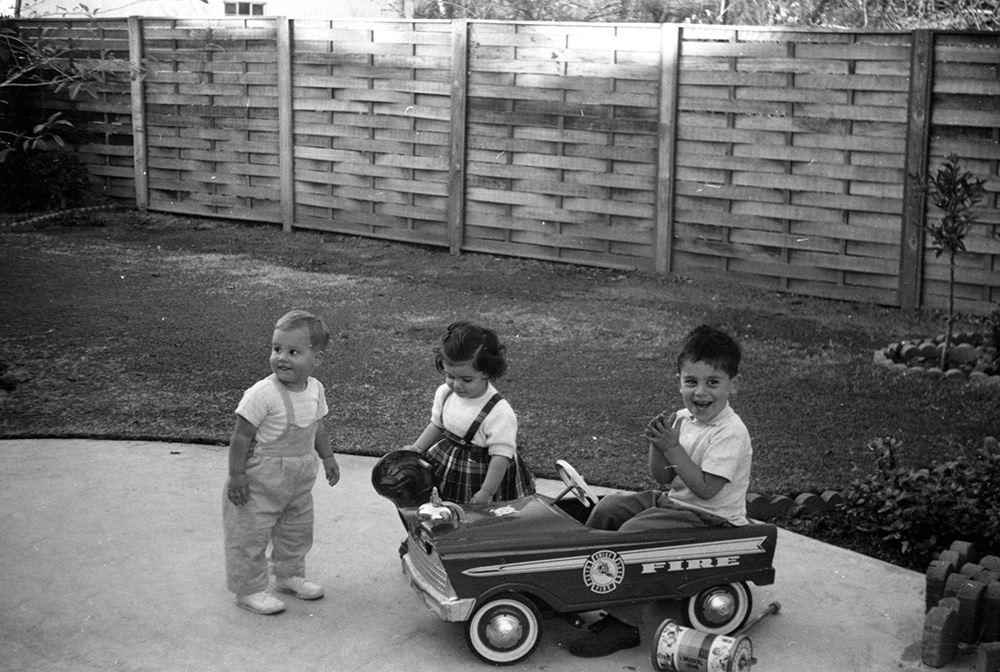
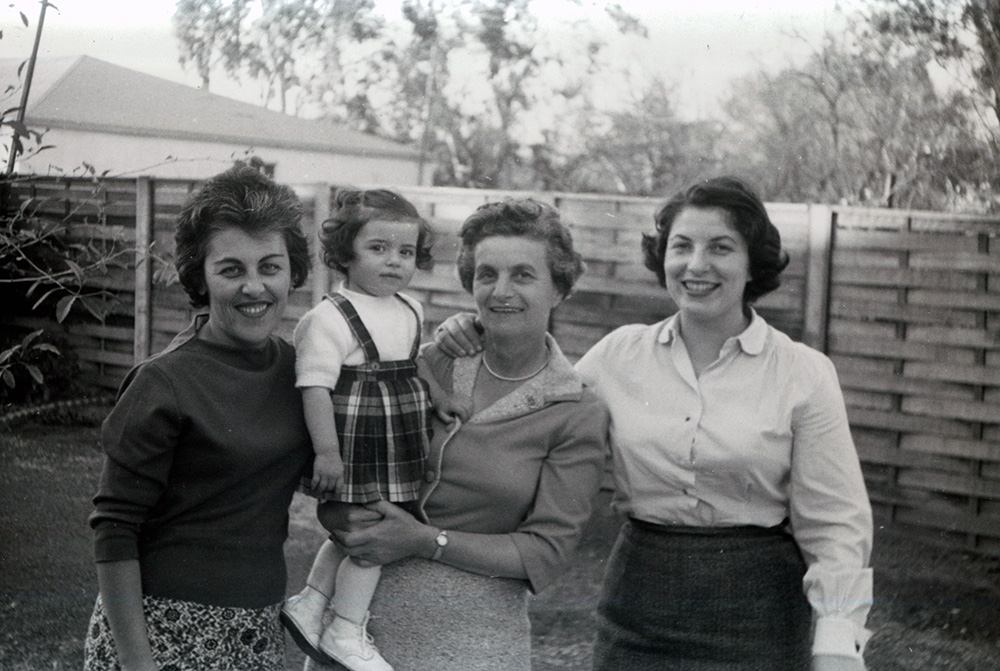
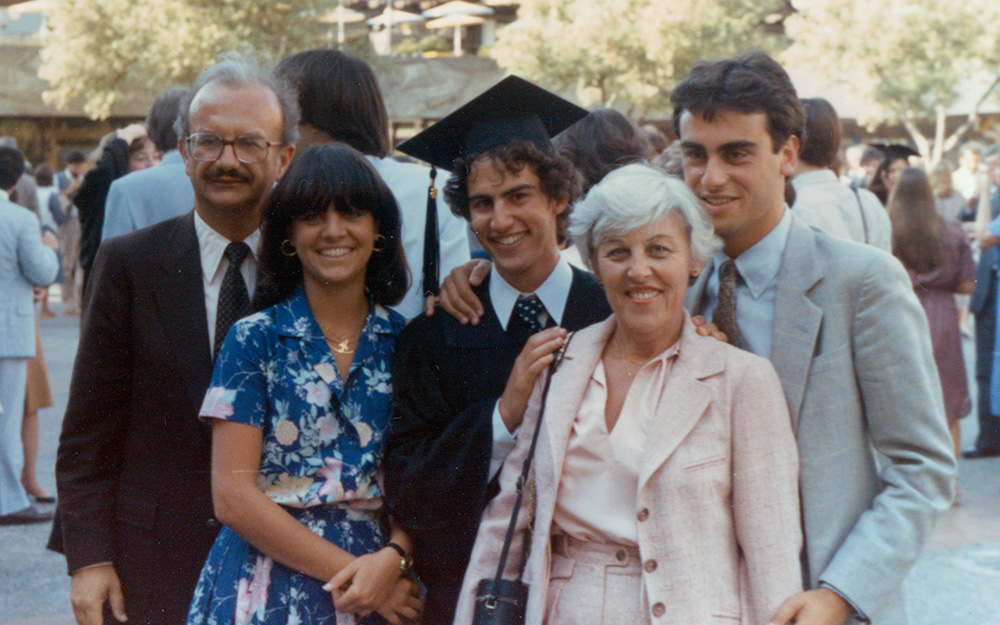
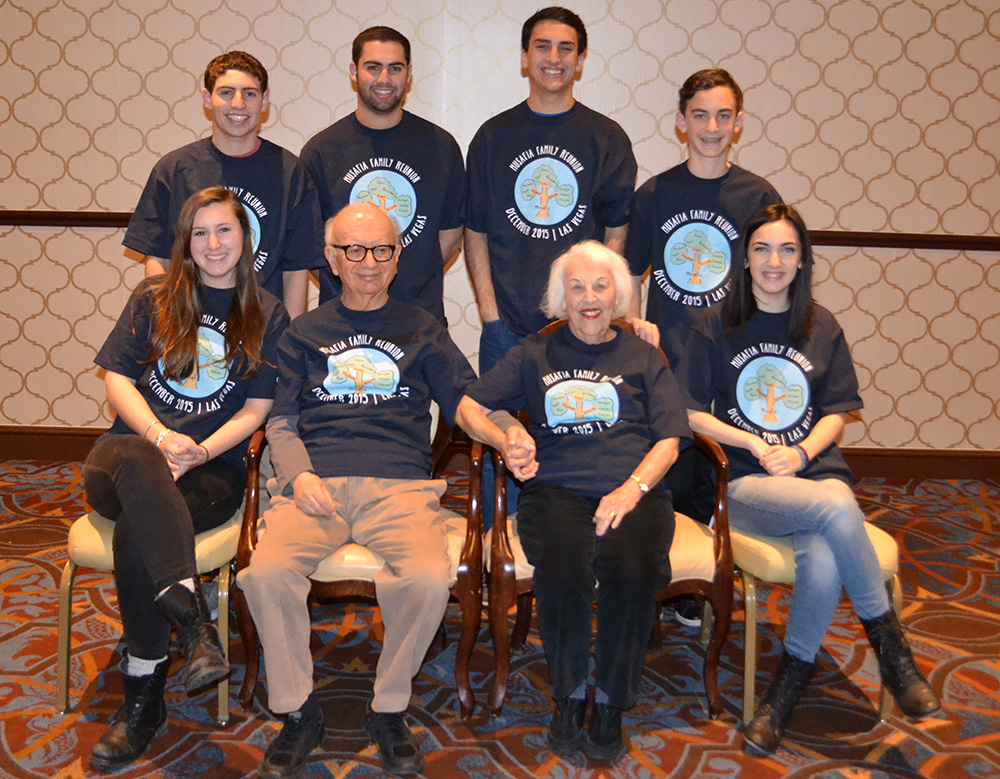
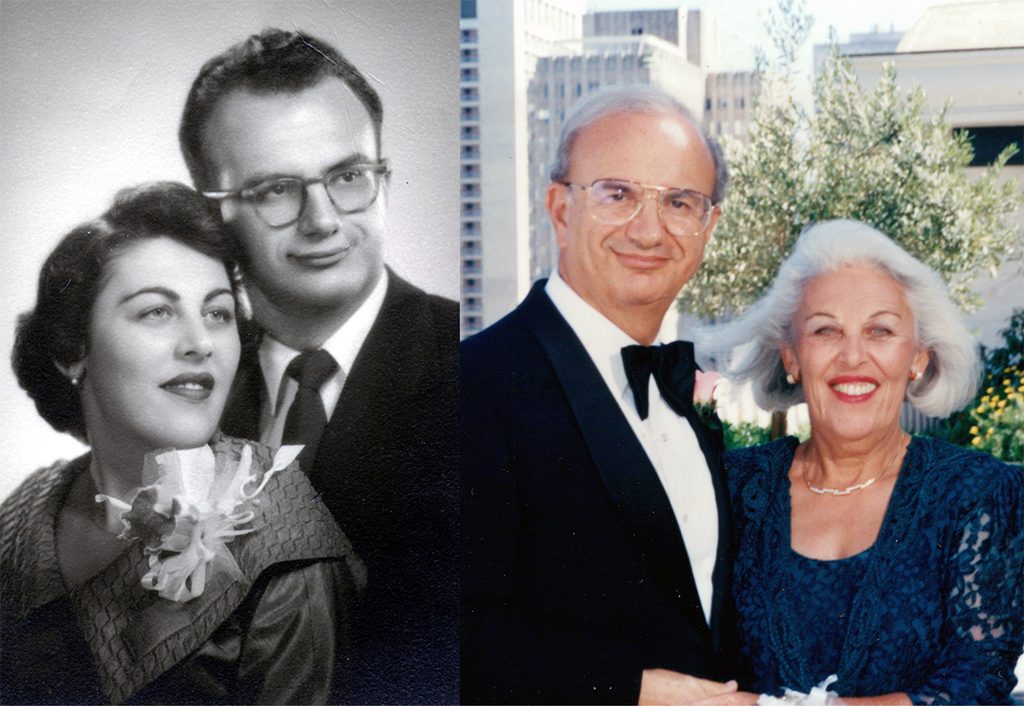
Al and Rose cultivated long-lasting friendships with Jewish émigrés who settled in Los Angeles, including Andrew Viterbi, Al’s brother-in-law, and Sam and Gertrude (Gerti) Goetz, through whom Al and Rose first became involved with the UCLA Alan D. Leve Center for Jewish Studies. Al and Rose have both been dedicated partners of the Center, and Al has played a significant role in its growth as the Chair of the Community Advisory Board. Al was also a founding member of the Sephardic Archive Initiative Community Advisory Board, which has launched this exhibit.
Though war and displacement deprived them of their own childhoods and youthful education, Al and Rose have emerged as strong supporters of public education—and Jewish Studies, in particular-in Los Angeles. For them, as for so many immigrants who came to call southern California home, this was a place for reinvention and building: and, in their case, for a reunion that was decades in the making.
About
This exhibit was curated by Rachel Baron-Bloch under the guidance of Dr. Sarah Abrevaya Stein, former Director of the UCLA Alan D. Leve Center for Jewish Studies and the Sephardic Archive Initiative, with generous support from the Maurice Amado Foundation and the Sady Kahn Trust, and with the help of Dr. Caroline Luce, David Wu, and most especially Al and Rose Finci, who so generously shared their many photographs, documents, afternoons, and memories.
Their story is featured in various documentary projects, films, and exhibits. You can read more about Al’s life in the Primo Levi Center’s online monthly, “Printed Matter” or through the “Jewish Refugees in Anulia” project overseen by Associate Professor of Hebrew Language and Literature at the University of Salento, Fabrizio Lelli. The Fincis were interviewed by the Shoah Foundation in 1996.
The Finci family history is also reflected in the film, Il Ritorno, a documentary on the family’s return to Gramignazzo in 2005, and two museums: the Museo della Memoria, which recounts the history of Jewish refugees who found refuge in Gramignazzo during the war, and a small museum in Santa Croce, Apulia, in southern Italy, which tells the history of jews living in Apulia and includes many photographs and documents of Al and Rose, attesting to their experience in the immediate post-war period.
Photographs featured in this exhibit are from the Finci Collection, with the following exceptions: interwar map (Library of Congress); Sarajevo title photo, Yugoslavian train and partisans, Arch of Titus inset, and studio photo of couple (Wikimedia); German planes and WWll photos of Italy (Imperial War Museum); New York City (Pixabay); and Mickey Katz (Cleveland Jewish News).
If you have any more information about an item you’ve seen on this website or if you are the copyright owner and believe our website has not properly attributed your work to you or has used it without permission, we want to hear from you. Please email the Center for Jewish Studies at levecenter@humnet.ucla.edu with your contact information and a link to the relevant content.